
Fabric Buildings vs Steel Buildings: What’s Best for Modern Commercial Operations
Choosing between fabric buildings vs steel buildings is not always straightforward. On paper, both options offer durability, protection, and long-term value. However, the way they perform day to day can look very different depending on your operation.
For many commercial and municipal buyers, the decision comes down to more than structure. Speed, cost, adaptability, and long-term maintenance all play a role. Getting it wrong can lead to delays, higher operating costs, or a building that no longer fits your needs a few years down the line.
To understand how these differences play out in real conditions, it helps to look at a practical example.
Case Study: Supporting Municipal Operations in Scugog, Ontario
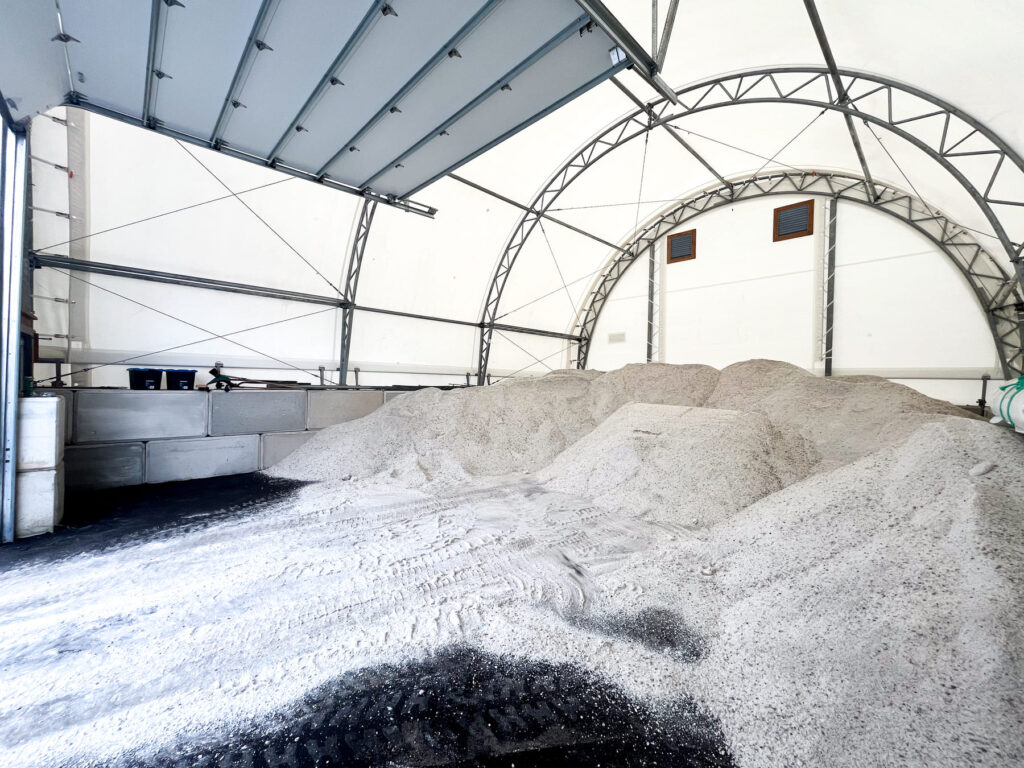
At the Township of Scugog, winter operations depend on reliable access to salt and sand. Materials must stay dry, easy to load, and ready at a moment’s notice. Without proper storage, precipitation can impact material quality and slow down response times.
To address this, the team installed a 32 by 40 Atlas fabric building to consolidate storage into one covered location. The clear span interior allows crews to move freely while loading and unloading materials. At the same time, the structure protects bulk storage from snow and rain throughout the season.
As a result, the township now benefits from faster access, improved material condition, and a more efficient workflow during winter events.
This type of application highlights how fabric buildings for warehousing and municipal storage can solve practical, day-to-day challenges.
Fabric Buildings vs Steel Buildings: Key Differences
At a high level, both fabric buildings and traditional steel buildings rely on structural steel. The key difference lies in the enclosure system.
Traditional steel buildings use rigid metal wall and roof panels. These systems are durable, but they often require longer construction timelines and more complex installation. In contrast, steel frame fabric buildings use a tensioned membrane as the exterior. This simplifies the build process and reduces on-site labor.
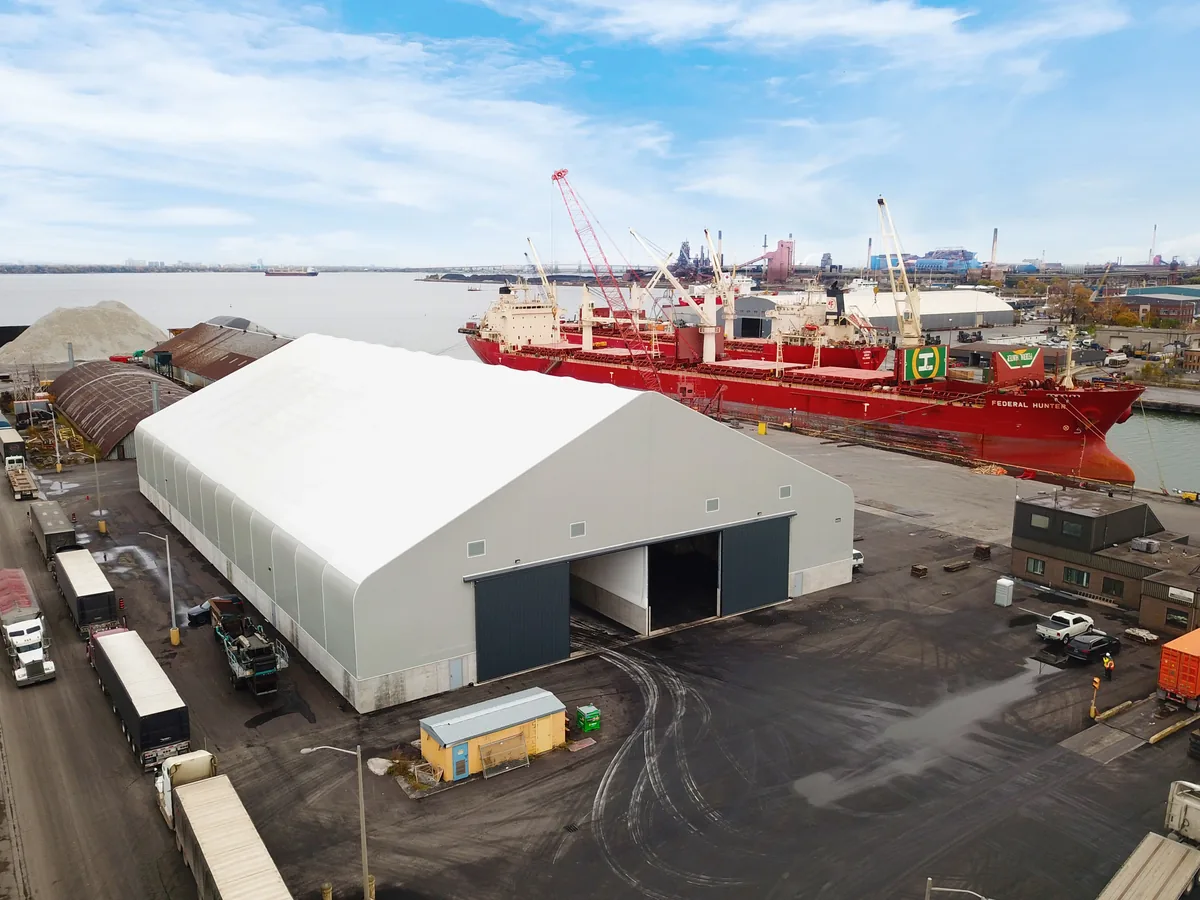
As a result, many operators now consider prefab buildings and prefabricated warehouse buildings when timelines are tight or site disruption needs to be minimized.
Both options can meet code requirements and provide long-term protection. They differ in how quickly teams can deploy them and how easily they adapt over time. This is where the differences between fabric buildings vs steel buildings become more noticeable in day-to-day operations.
How Fast Can You Be Operational?
Speed is often one of the biggest deciding factors when comparing fabric buildings vs steel buildings.
Traditional steel buildings typically involve longer lead times, more site work, and additional finishing steps. These factors can extend project timelines, especially in regions with limited construction windows.
In contrast, fabric buildings use prefabricated components that teams manufacture off-site and assemble quickly. This reduces labor time and allows projects to move from approval to operation much faster.
For commercial operations, this difference can be significant. Faster installation means earlier use, reduced downtime, and in many cases, a quicker return on investment.
Fabric Building Cost vs Steel: What’s the Real Lifecycle Cost?
The cost of fabric buildings vs steel is not only about upfront pricing. Long-term maintenance and repair requirements can have a major impact over time.
Traditional steel buildings may require repainting, corrosion management, and periodic roof repairs. These costs add up, especially in environments exposed to moisture, salt, or chemicals.
Fabric buildings, on the other hand, rely on a tensioned membrane that requires minimal maintenance. Over time, the cover may need to be replaced, but the structural frame remains in place.
Because of this, many operators find that fabric building cost vs steel becomes more predictable over the lifecycle of the structure.

How Fabric Buildings for Warehousing Improve Productivity
Interior performance often gets overlooked during the planning stage. However, it can have a direct impact on efficiency.
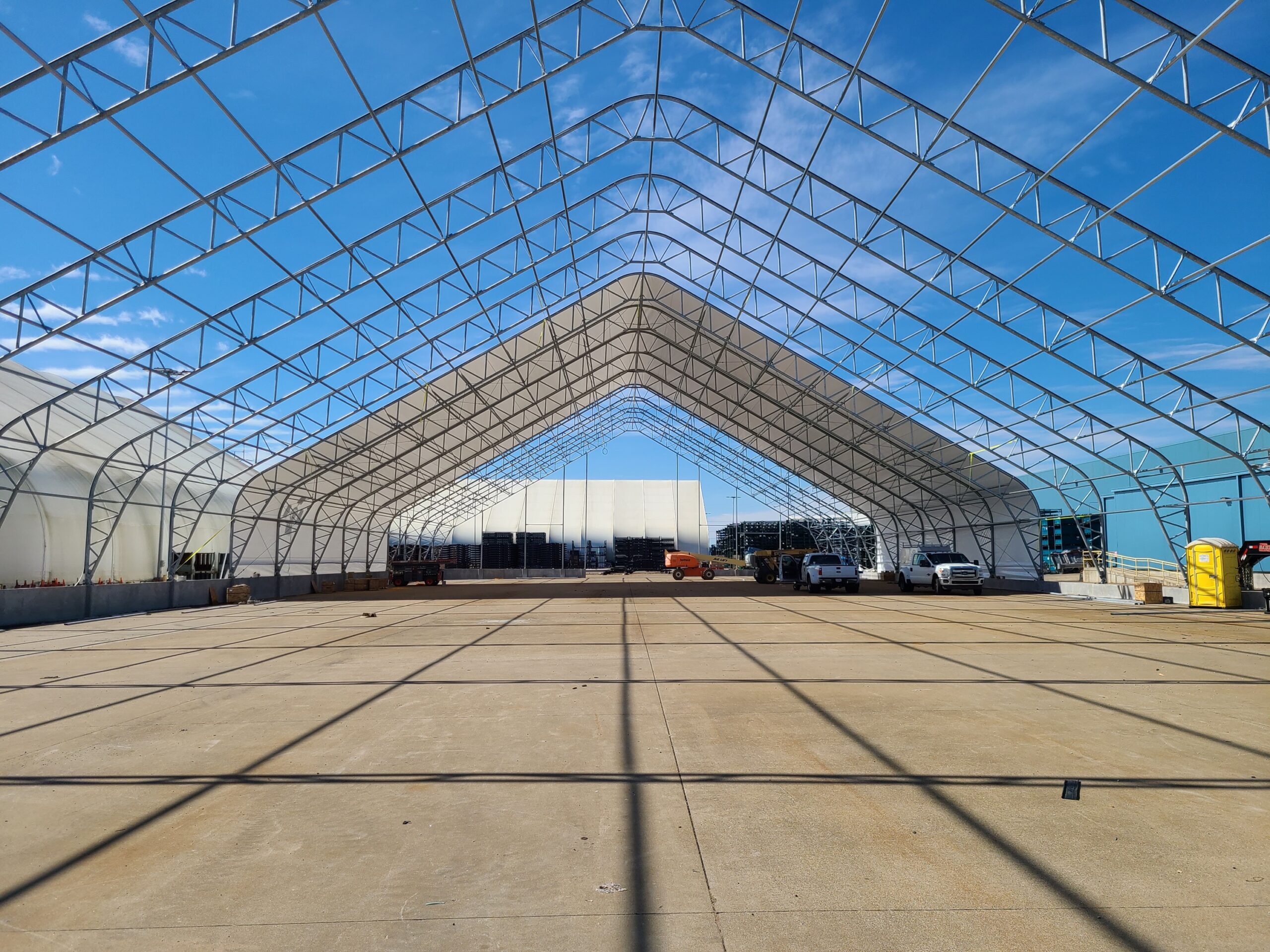
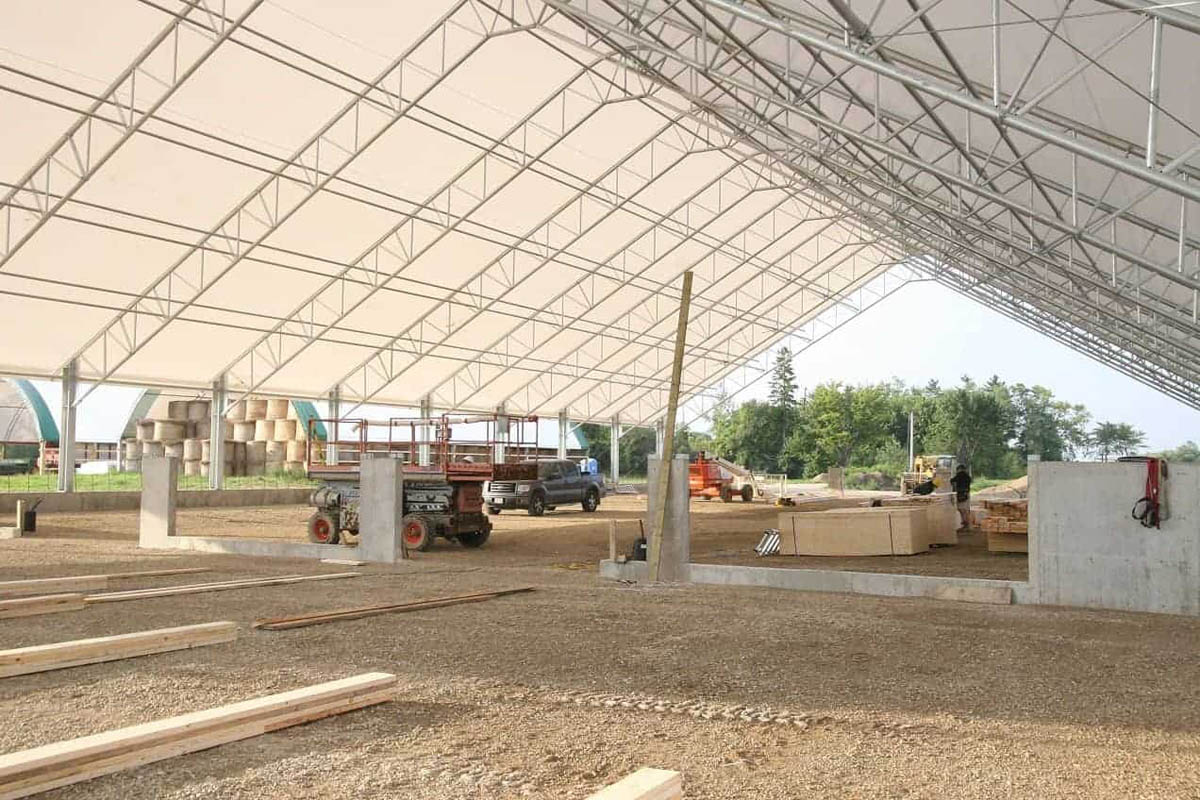
Clear span fabric structures eliminate interior columns, which improves movement for equipment and personnel. In warehouse building environments, this allows forklifts to operate more efficiently and reduces congestion.
Natural light is another factor. Fabric membranes diffuse daylight evenly throughout the structure, reducing the need for artificial lighting during daytime hours. This not only lowers energy use but also improves visibility for workers.
As operations evolve, this flexibility becomes even more valuable. Layouts can be adjusted without structural limitations, which is especially important in manufacturing and logistics settings.
Where Environment and Corrosion Matter Most
Environmental conditions play a major role in building performance. In many regions, exposure to moisture, salt, and chemicals can shorten the lifespan of traditional materials.
Steel frame fabric buildings are often engineered with hot dip galvanized components, which provide strong corrosion resistance. This makes them well suited for applications such as salt storage, fertilizer handling, and municipal yards.
In these environments, corrosion resistant materials help maintain structural integrity and reduce long-term maintenance requirements.
This is one reason why commercial fabric storage buildings continue to gain traction across a wide range of industries.
Can Your Building Adapt Over Time?
Commercial operations rarely stay the same. As demand changes, buildings need to adapt.
Fabric buildings offer a level of flexibility that is difficult to match with traditional steel construction. Structures can be extended, modified, or even relocated as per operational needs.
This makes them a practical option for growing businesses or operations that expect changes over time.
In contrast, traditional steel buildings typically stay fixed in place. While they provide long-term durability, they offer less flexibility once you build them.
Fabric Buildings vs Steel Buildings: Which Option Is Right for Your Operation?
There is no single answer that fits every application. However, the decision often comes down to priorities.
Fabric buildings tend to be the better choice when speed, flexibility, and cost predictability are key. They work well for warehousing, storage, and operations that may evolve over time.
Traditional steel buildings may still suit projects that require highly customized interiors or permanent structures with specific design requirements.
Understanding how each option performs in real conditions will help guide the right decision for your operation.

Deciding On Fabric Buildings vs Steel Buildings
As industries continue to evolve, the need for adaptable and efficient structures becomes more important.
Fabric buildings vs steel buildings is no longer just a structural comparison. It is a decision that affects timelines, costs, and long-term operational flexibility.
If you are planning a new warehouse building, expanding storage, or preparing for seasonal demand, it is worth exploring how different building systems align with your goals.
For projects like municipal salt storage, logistics, or commercial warehousing, the right choice can improve efficiency from day one.
Conclusion
For many modern operations, fabric buildings offer a practical balance of speed, durability, and adaptability. When compared to traditional steel buildings, they allow teams to move faster, adjust layouts over time, and manage long-term costs more predictably.
At the same time, both building types serve a purpose depending on the needs of your operation. The key is understanding how each option performs in real working conditions, not just on paper.
Whether you are planning a warehouse building, expanding storage, or preparing for seasonal demand, choosing the right structure can improve efficiency from day one and support your operation long term.
If you are comparing fabric buildings vs steel buildings, our team can help you evaluate layouts, timelines, and real-world applications based on your specific needs.
Contact Britespan to start planning a building that works for your operation.
Last updated: April 13, 2026