
Steel Frame Fabric Buildings vs Traditional Steel Buildings for Warehousing and Manufacturing
Across the United States, steel frame fabric buildings are changing how industrial operators approach space. Manufacturing timelines are tightening, logistics networks are shifting, operators expect warehouse buildings to adapt faster than ever. In this environment, flexibility and speed matter just as much as long-term durability.
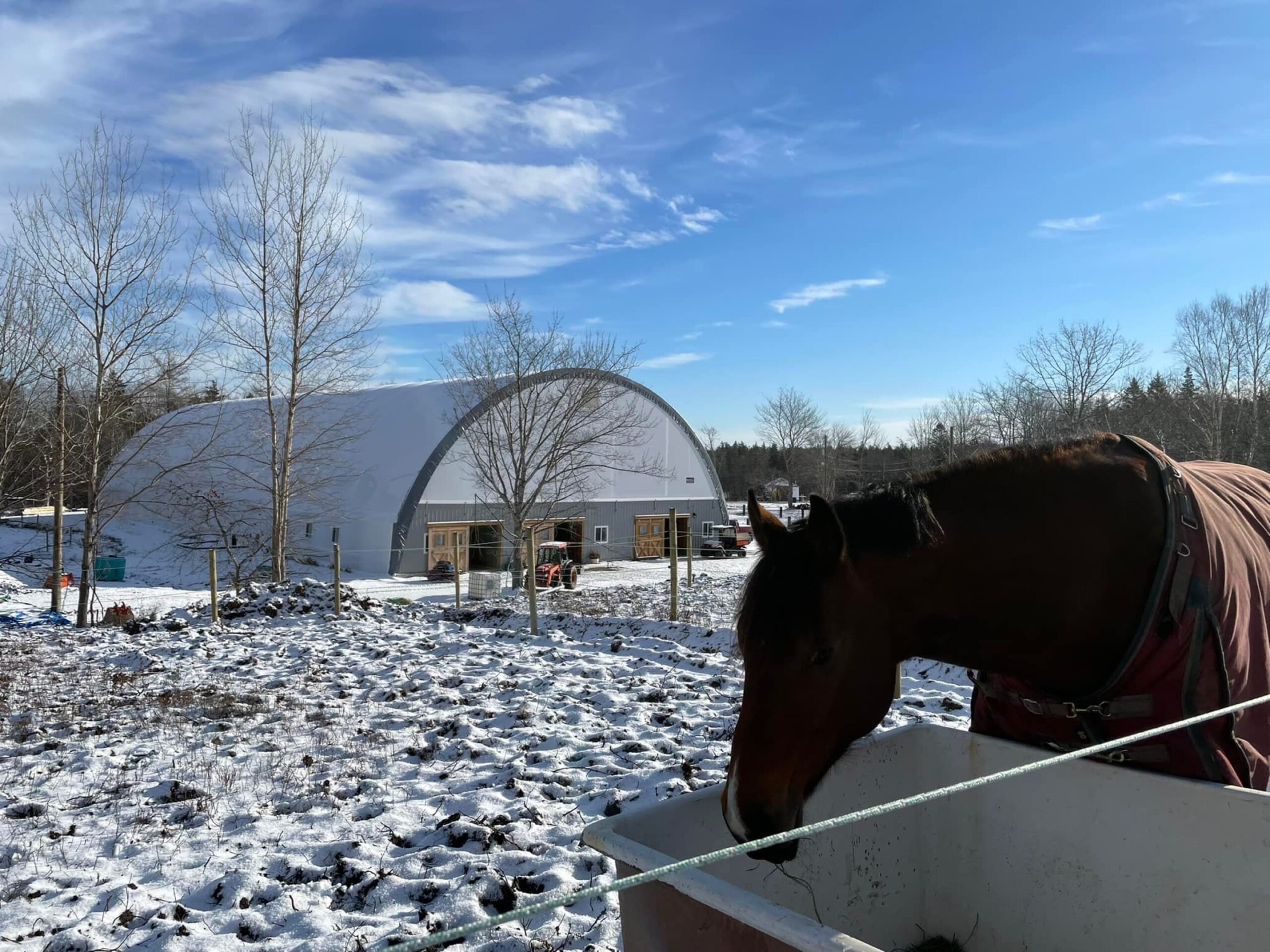
That is why steel frame fabric buildings are gaining traction across manufacturing, storage, and distribution sectors. These structures combine engineered building steel with a high-performance fabric enclosure, delivering the strength of a rigid frame with the efficiency and adaptability today’s operations demand. For U.S. buyers navigating climate exposure, labor availability, and permitting requirements, this approach offers a practical alternative to traditional construction.
Why Steel Frame Fabric Buildings Are Gaining Ground Across U.S. Industry
Industrial building needs vary widely across the country. In the Midwest and Upper Plains, snow load requirements drive structural decisions. In coastal and central regions, wind exposure and corrosion resistance become top priorities. Across all regions, speed to occupancy and predictable costs are increasingly important.
Specifically, Britespan addresses these challenges by separating structure from enclosure. Manufactured steel trusses carry the structural loads, while the fabric membrane provides protection from the elements. This allows projects to move efficiently from approval to operation without sacrificing code compliance or performance.
For industrial users facing short construction windows or expanding capacity quickly, this combination has proven effective.
Steel Frame Fabric Buildings Compared to Traditional Industrial Steel Buildings
At a glance, fabric buildings and conventional industrial steel buildings may seem similar. Both rely on steel frames and permanent foundations. The difference lies in how the enclosure is built and how the structure performs over time.
In contrast, traditional rigid buildings use metal wall and roof systems that drive up complexity, labor, and cost. Fabric-based systems simplify construction by using a tensioned membrane as the exterior skin. This reduces installation time and limits disruption to active sites.
The result is a steel frame building that delivers durability and longevity while remaining more adaptable than many conventional options.
Clear Span Steel Buildings That Improve Workflow Inside Warehouse Buildings
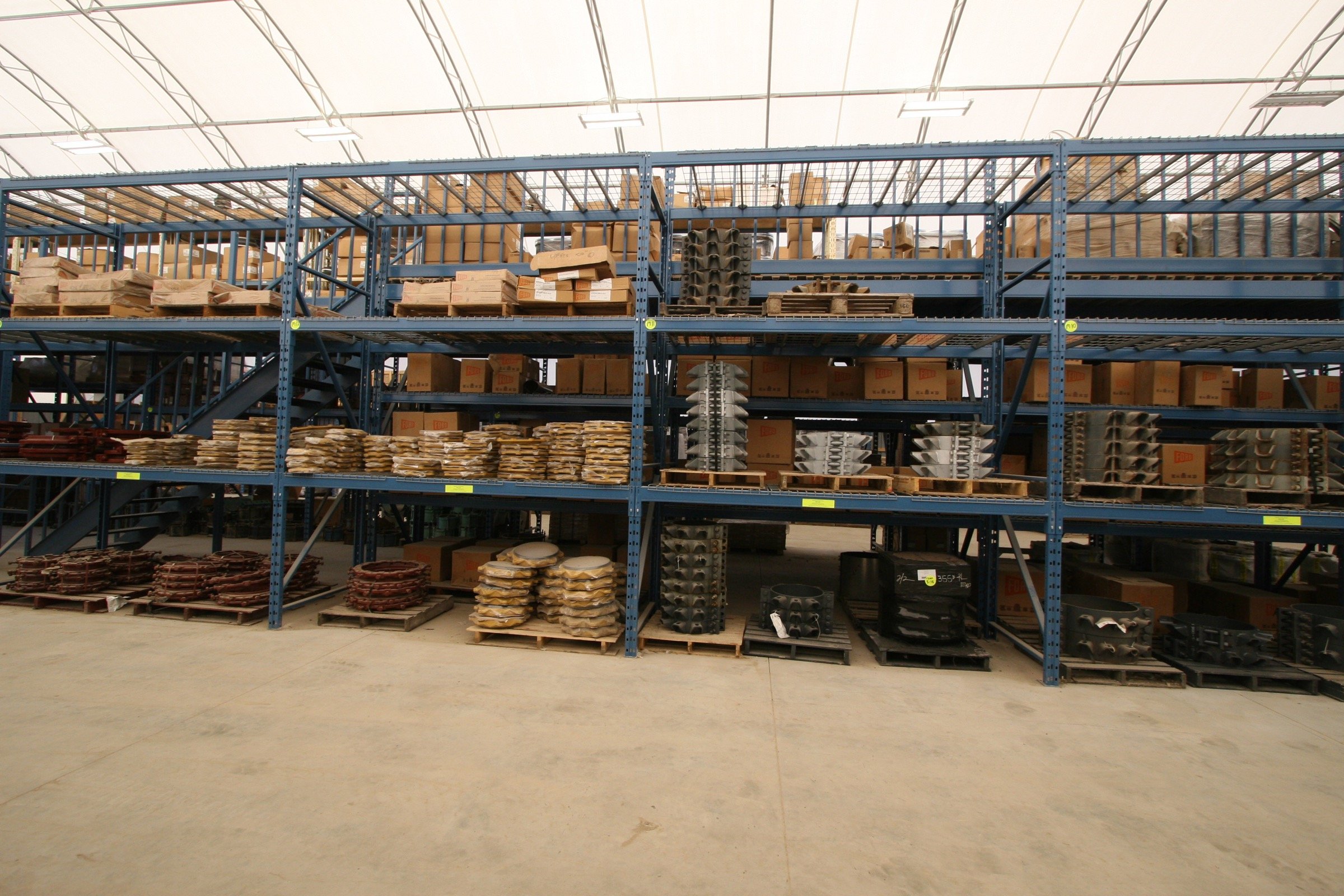
Interior layout plays a critical role in industrial efficiency. Clear span steel buildings eliminate interior columns, creating uninterrupted floor space that supports modern material handling and storage strategies.
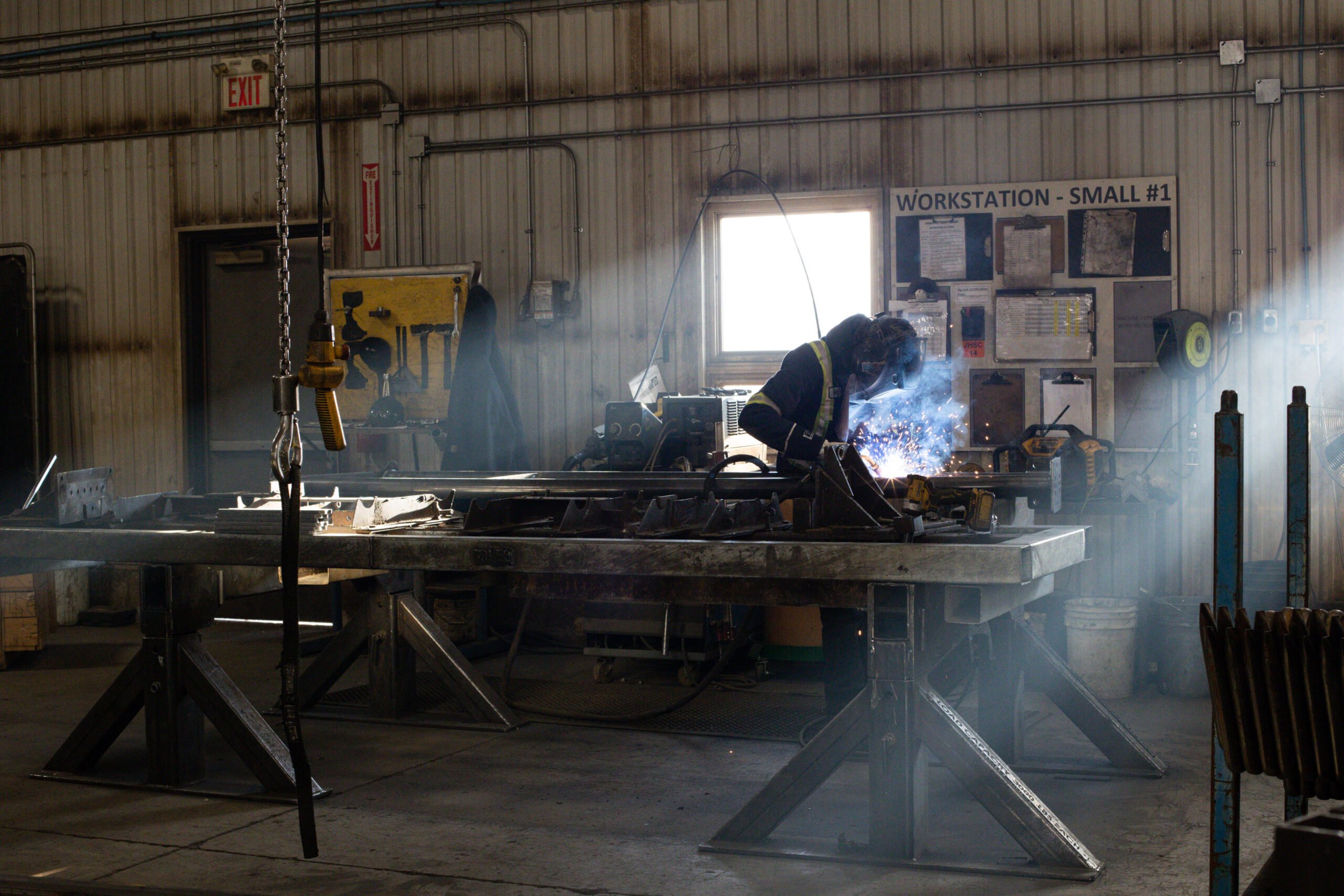
Inside warehouse buildings, this improves forklift travel, equipment access, and safety. In light manufacturing environments, it allows production layouts to evolve as processes change. Clear spans also maximize cubic storage volume, reducing the need for additional structures or off-site storage.
For operators focused on throughput and safety, open interiors offer immediate operational benefits.

How Building Steel and Fabric Systems Work Together in Manufactured Buildings
A key advantage of fabric buildings lies in how building steel and fabric systems complement one another. The steel trusses handle snow, wind, and seismic loads, transferring forces directly to the foundation. The fabric enclosure acts as a durable, weather-resistant skin rather than a structural element.
Furthermore, this allows us to engineer manufactured buildings precisely for local conditions while maintaining a lightweight exterior. It also simplifies future modifications, since the structural system remains independent of the enclosure.
The result is a building that performs like a traditional structure but installs more efficiently.
Prefab Buildings and Prefabricated Warehouse Buildings for Faster Deployment
Prefab buildings have become increasingly attractive as labour costs rise across the U.S. Fabric structures use prefabricated components that our team manufactures off-site and are assembled quickly in the field.
Consequently, this reduces on-site labor hours and shortens construction schedules. In regions with limited installation windows due to winter weather or seasonal demand, that speed can be the difference between meeting operational timelines or delaying production.
For many industrial users, faster deployment also means faster return on investment.
Corrosion Resistant Steel Frame Fabric Buildings Built for Harsh U.S. Environments

Durability remains a top concern for industrial buyers, especially where moisture, salt, or chemicals are present. Britespan fabric buildings use hot dip galvanized steel trusses to protect against corrosion.
Unlike pre-galvanized tubing, our post-fabrication galvanizing coats every weld and connection point. This creates corrosion resistant steel buildings that hold up in environments such as bulk material storage, fertilizer handling, and winter road maintenance facilities.
From snow-heavy northern regions to humid coastal zones, this level of protection supports long-term performance with minimal maintenance. With the annual cost of corrosion in the U.S. estimated at $276 billion, investing in post-fabrication hot-dip galvanizing is a critical step in protecting long-term capital investments.
Planning Fabric Buildings for Long-Term Growth
Industrial operations rarely remain static. As production volumes change or logistics networks evolve, facilities must adapt. Moreover, steel frame fabric buildings adapt to your growth. You can easily extend the length or relocate the structure as your operations evolve.
This flexibility reduces upfront risk and helps align capital investment with actual demand. For organizations planning multi-year expansion, the ability to adapt without rebuilding from scratch provides long-term value.
Frequently Asked Questions About Steel Frame Fabric Buildings
Are fabric buildings considered permanent structures in the United States?
Yes. When engineered and permitted correctly, they are classified as permanent buildings and must meet applicable codes.
Can fabric buildings handle snow and wind loads?
They are engineered to site-specific requirements, including snow and wind loads based on local conditions.
Do fabric buildings work for industrial and manufacturing use?
Yes. Clear span interiors, natural light, and ventilation make them suitable for many industrial and light manufacturing applications.
Can these buildings be expanded later?
In many cases, fabric buildings can be extended or modified as operations grow.

Conclusion: A Smarter Industrial Building Strategy
For U.S. manufacturers and logistics operators balancing speed, durability, and flexibility, steel frame fabric buildings offer a proven solution. By combining engineered building steel with a high-performance fabric enclosure, these structures support efficient operations across diverse climates and regulatory environments.
If you are planning new industrial space or preparing for future growth, fabric-based buildings provide a practical path forward without the constraints of conventional construction. Connect with the Britespan team to explore layouts, timelines, and options that fit your operation.