

Spring Fabric Building Maintenance: How to Protect Your Structure After Winter
Spring fabric building maintenance is one of the most important steps you can take after winter. As temperatures rise, it’s the right time to assess how your structure handled snow loads, moisture, and freeze-thaw cycles.
However, while fabric buildings are engineered for durability, winter conditions can still create stress points that are not always visible at first glance. A proactive approach to spring fabric building maintenance helps extend fabric building lifespan, maintain performance, and prevent minor issues from turning into costly repairs.
Why Spring Fabric Building Maintenance Should Be a Priority
In reality, winter puts every part of a structure to the test. Snow accumulation, shifting temperatures, and moisture exposure all impact long-term fabric building durability.
As a result, spring fabric building maintenance is not just about cleaning up. It is about understanding how your building performed and making small adjustments that protect it moving forward.
Regular fabric building maintenance helps:
- Extend the fabric building lifespan
- Reduce the need for major fabric building repair
- Support safe, consistent daily operations
- Improve long-term corrosion prevention
Start With a Full Fabric Building Inspection
As part of spring fabric building maintenance, begin with a detailed fabric building inspection. All in all, this sets the foundation for all seasonal maintenance moving forward.
To start, instead of rushing through a checklist, take time to walk the full structure inside and out.
Look for:
- Wear on the fabric cover, including small tears or thinning
- Loose or shifted connection points
- Areas where debris or moisture may have collected
- Signs of stress around doors, openings, or high-use zones
As a result, in many cases, these early observations guide the rest of your spring fabric building maintenance plan.
Spring Fabric Building Maintenance: Cleaning the Fabric Cover
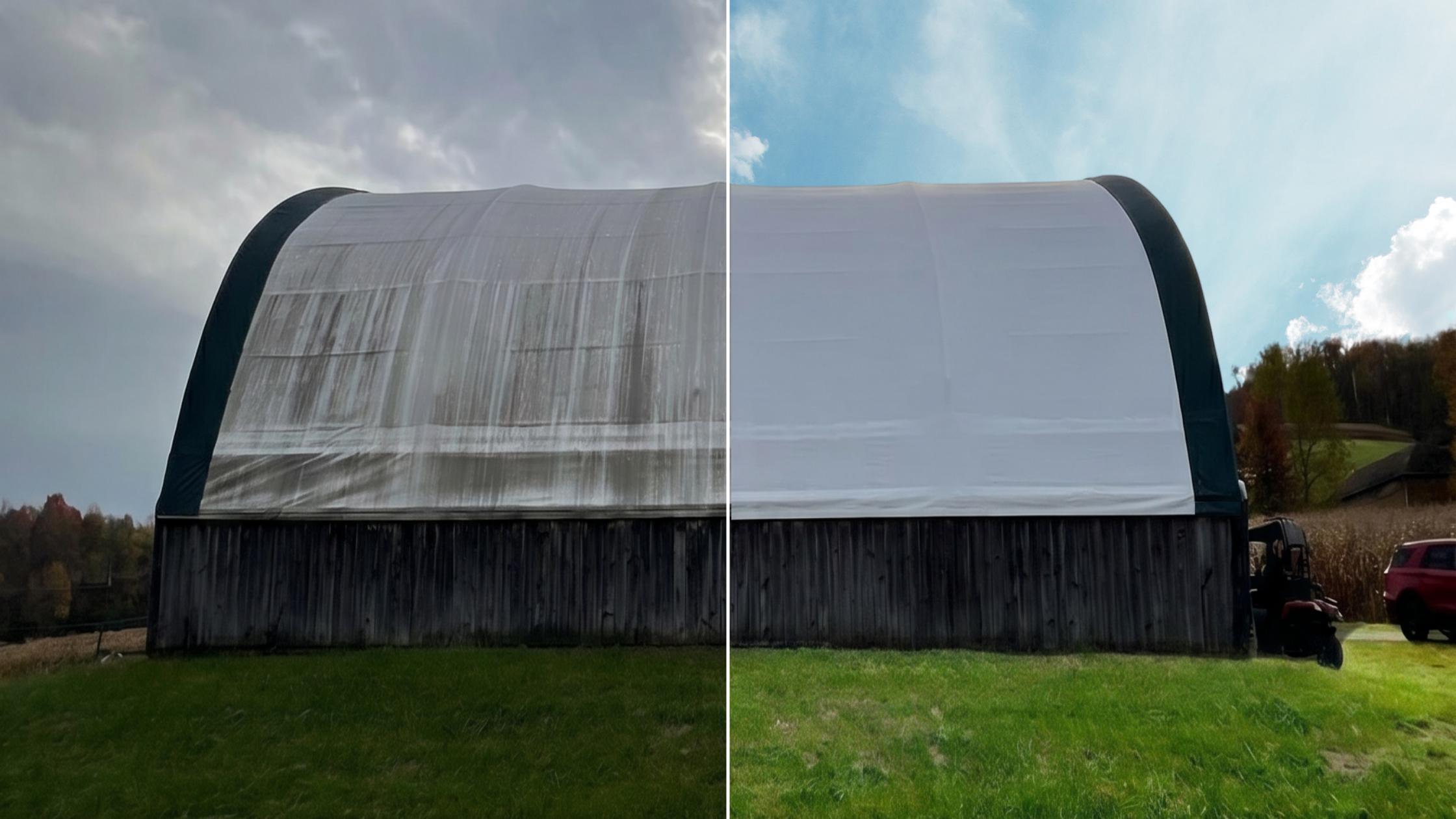
As part of spring fabric building maintenance, fabric cover cleaning should follow the initial inspection. Over time, dust, debris, and organic buildup can weaken the material and impact performance. Because of this, regular cleaning becomes essential.
In most cases, a simple cleaning process is enough, but using the right materials is important to avoid damaging the fabric:
- Use a safe biodegradable soap and water
- Use a soft bristle brush for tougher buildup, working in small circular motions
- Rinse thoroughly to remove any residue
- Repeat the process if needed for deeper cleaning
At the same time, avoid petroleum-based or harsh chemical products, as these can damage the fabric and reduce its lifespan.
Keeping the fabric clean helps maintain light transmission, which is especially important in agricultural environments.
Checking Fabric Tension During Spring Fabric Building Maintenance
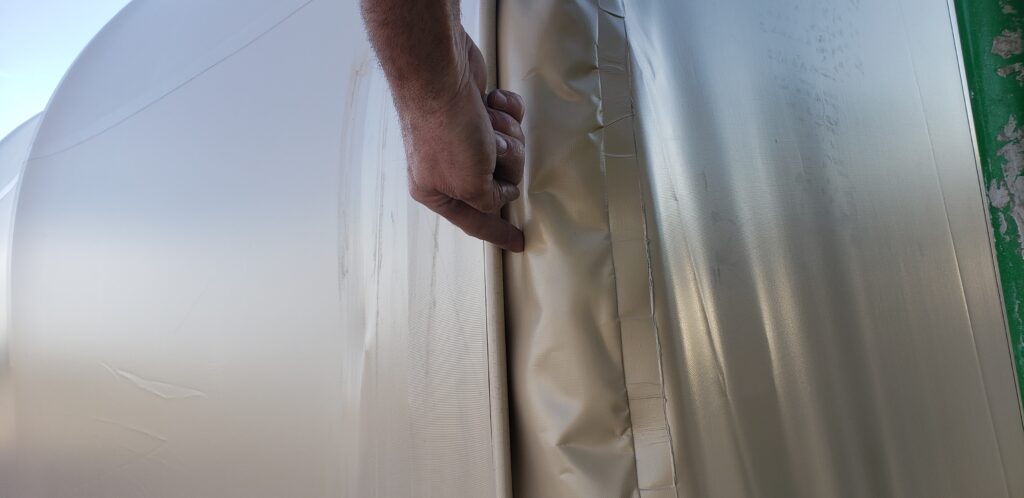
During spring fabric building maintenance, seasonal temperature changes often reveal how the fabric sits on the frame. As a result, checking tension is a key part of seasonal building maintenance.
If the fabric appears loose or uneven, it may require adjustment.
Proper tension helps:
- Maintain structural integrity
- Prevent water pooling or debris buildup
- Reduce stress on connection points
Although this step is often overlooked, it plays a major role in overall fabric building durability.
Prioritize Steel Frame Maintenance and Corrosion Prevention
During spring fabric building maintenance, it’s important to look beyond the fabric cover and inspect the steel frame that supports the entire structure.
For example, pay close attention to:
- Early signs of corrosion
- Areas exposed to moisture, salt, or organic material
- Bolts, fasteners, and connection points
In agricultural and municipal settings, exposure conditions can vary significantly. Over time, untreated corrosion can impact structural reliability, making early intervention critical.
Address Fabric Building Repairs Early
During spring fabric building maintenance, small issues rarely stay small if left unaddressed. Identifying and resolving minor damage early is one of the most effective ways to protect your investment.
Firstly, focus on:
- Small tears or punctures
- Loose hardware
- Areas showing early wear
For areas requiring patching or repair, proper surface preparation is critical. In these cases, a final cleaning with high-strength isopropyl alcohol helps ensure proper adhesion. Timely fabric building repair reduces downtime and helps avoid more complex fixes later in the season.
Maintenance Differences: Agriculture vs Commercial Use
While the fundamentals of fabric building maintenance remain consistent, how a building is used can influence what you prioritize.
Agricultural Buildings
In agriculture, such as dairy or beef barns, daily use creates unique wear patterns.
For example:
- Moisture and manure exposure increase corrosion risk
- Airflow and cleanliness directly impact livestock health
- Fabric cover cleaning supports natural light and ventilation
Therefore, spring fabric building maintenance in these environments often focuses more on airflow, hygiene, and interior conditions.

Commercial and Municipal Buildings
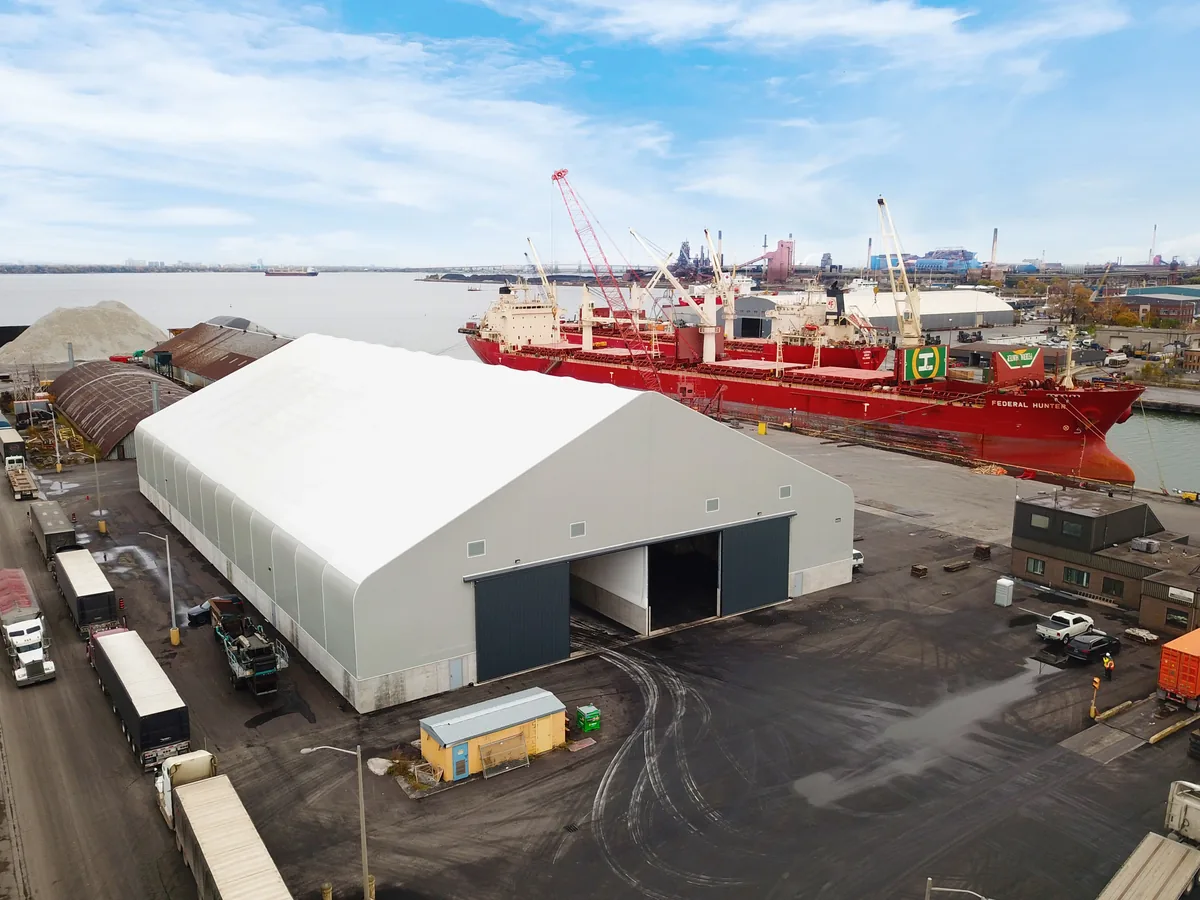
Commercial applications, such as equipment storage or salt storage, present different challenges.
For example:
- Salt and material storage increase corrosion exposure
- Equipment movement impacts high-traffic areas
- Entry points require closer inspection
Because of this, corrosion prevention and structural checks tend to be a higher priority in commercial environments.
Atlas vs Epic: Does Building Style Affect Maintenance?
Different building designs can influence how maintenance is approached.
Atlas (hoop-style) buildings feature smooth, curved surfaces that help shed snow and debris. As a result, winter buildup is often reduced, but spring fabric building maintenance should still include fabric checks and tension adjustments.
Epic (peak-style) buildings offer additional height and a different roof profile. These structures may require closer inspection around peak areas and connection points where stress can concentrate.
Regardless of design, consistent spring fabric building maintenance ensures both building types continue to perform as intended.
A Practical Spring Fabric Building Maintenance Checklist
Ultimately, to simplify spring fabric building maintenance, here is an overarching checklist you can follow each season:
- Complete a full fabric building inspection
- Perform fabric cover cleaning
- Check and adjust fabric tension
- Inspect the steel frame and address corrosion
- Complete minor fabric building repairs
- Review high-use areas based on your application
Following this sequence helps ensure no key step is missed.
Plan Ahead and Stay Proactive
Ultimately, spring fabric building maintenance is about staying ahead of potential issues. A consistent approach helps protect your structure, maintain performance, and support your operation year-round.
Whether you are managing a dairy barn, beef barn, or commercial storage facility, taking the time to complete spring fabric building maintenance each year will pay off in the long run.
If you are unsure where to start or need support with a fabric building inspection or repair, working with an experienced team can help ensure everything is handled correctly.
Contact Britespan to keep your building performing at its best, season after season.
Written by: Lindsay Kenny | Technical Review by: George Lawless