

Fabric Goat and Sheep Barns That Improve Daily Performance
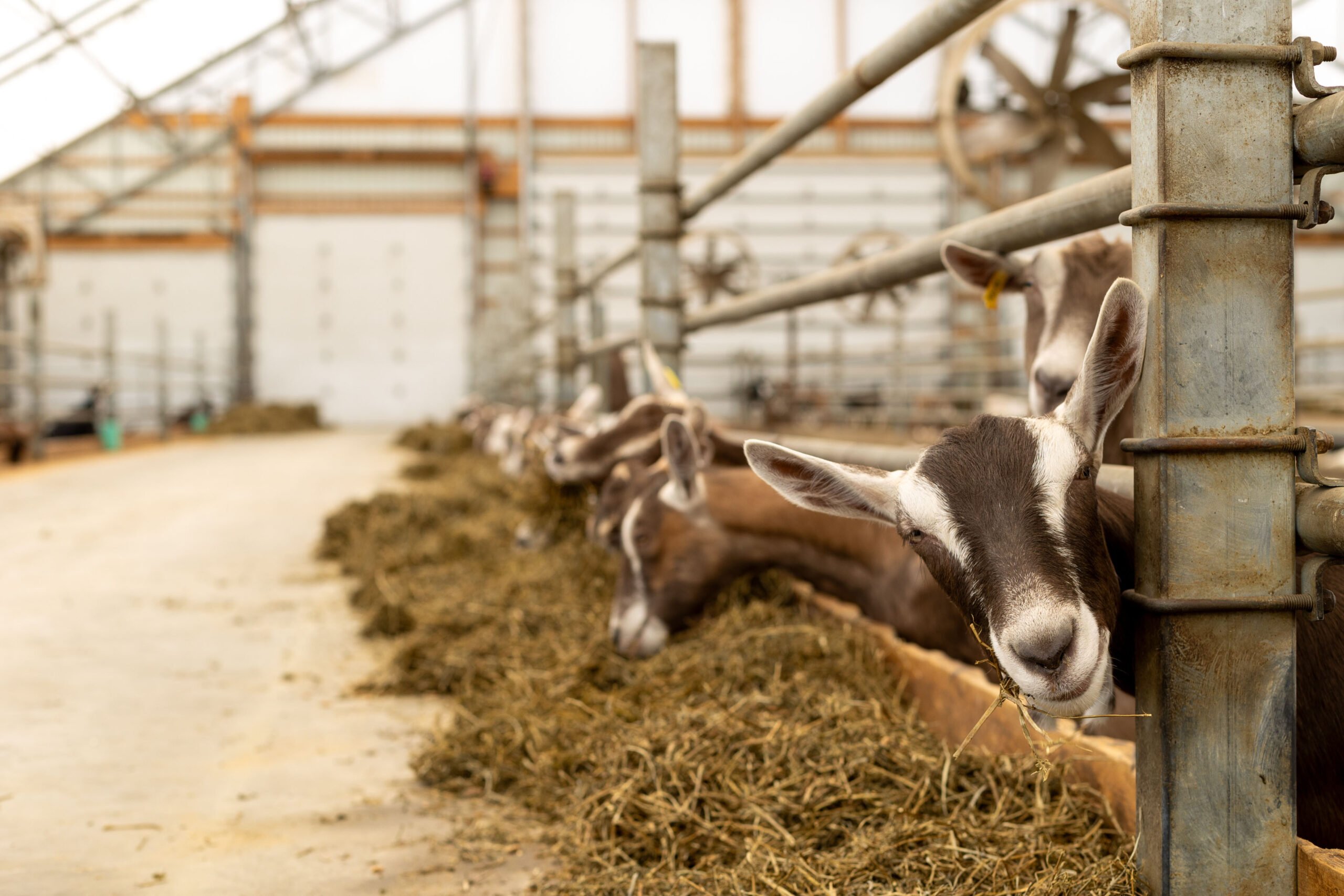
In practice, small ruminants thrive in bright, calm, and well-ventilated spaces. A modern fabric goat and sheep barn supports that environment with clear spans, natural light, and controllable airflow that helps keep bedding drier and daily chores efficient. As a result, when planning a new build or a re-cover, thoughtful decisions around pen layout, ventilation, feed lanes, and long-term use play a major role in animal comfort and overall barn performance.
Why Choose a Fabric Goat and Sheep Barn for Small Ruminants?
Fabric interiors spread daylight evenly, which reduces shadows that can make flocks hesitate. Clear spans remove interior posts from traffic lanes and pen centers, so you can run bedding equipment, set handling systems, and reconfigure pens as seasons change. With the right openings and ridge strategy, a natural ventilation goat barn or natural ventilation sheep barn maintains steady air exchange that helps manage moisture and ammonia.
As a result, producers often notice several benefits quickly:
- Calm movement to feed and water with fewer bottlenecks
- Drier bedding and cleaner air when airflow is consistent
- Safer, faster chores with clear sightlines and open spans
Goat Barn Design vs Sheep Barn Design: What Actually Differs?
Although goats and sheep share many needs, but design details influence daily outcomes.
Feed access and bunk strategy
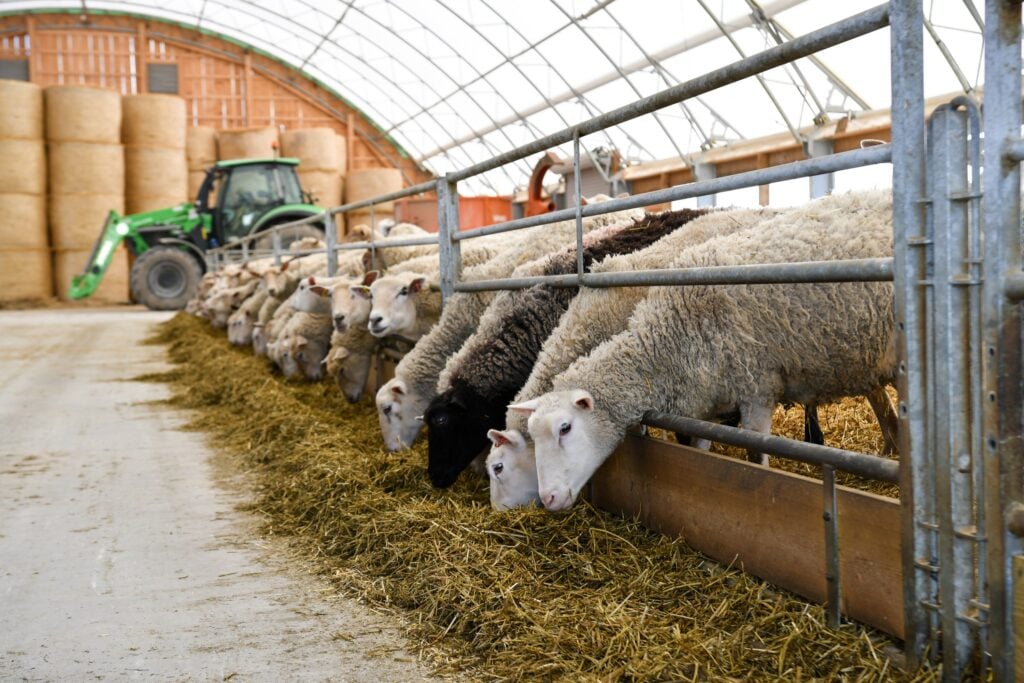
In particular, goats are selective eaters and hard on bunk edges. Plan durable, smooth contact surfaces and correct head spacing to limit waste. Sheep benefit from continuous access and low-stress flow along the feed line. Keep bunk fronts visible from alleys for quick checks.
Pen density and movement
Goats test barriers. Use robust gates and hardware with clean latch geometry. Sheep move best in wider groups with minimal backtracking. Clear spans let you adjust cross-gates and alley widths as groups change in size.
Flooring and bedding
Target dry, resilient pack that drains well and supports hoof health. Maintain positive slopes to alleys and choose scraping or bedding refresh methods that fit your equipment and labour routine.
How a Clear Span Livestock Barn Improves Layout and Chores
A clear span goat or sheep barn gives you uninterrupted floor area to organize pens, lanes, and work zones. That matters when you rotate breeding groups, create lambing or kidding areas, or set up temporary handling.
Layout moves that pay back:
- Center feed lane with short, well-placed crossovers for efficient feeding
- Defined health, lambing, or kid-raising zones that convert back to group pens after peak season
- Gate posts and anchor points planned into curbs for fast pen reconfiguration
Ventilation That Works in Fabric for Goats and Sheep
Inteady, gentle exchange is the goal. At the same time, height supports stack effect, while ridge outlets and roll-up sidewalls provide controllable paths for air.
Ventilation essentials:
- Continuous ridge outlet or chimneys to remove warm, moist air
- Sidewall curtains sized to the building length for simple daily adjustments
- Targeted mixing in still zones while avoiding drafts at resting areas
Good airflow supports bedding dryness, reduces odours, and helps manage respiratory pressure in close quarters.
Doors, Access, and Daily Flow
Door choice and placement shape the workday. Size openings to your largest machine with attachment, not just the tractor cab. Place doors to create one-way loops that keep equipment moving forward and away from pen gates.
Design tips:
- Tall, wide end doors for bedding and bulk handling
- Side access for chores without crossing the main feed lane
- Clear pedestrian routes and lighting at gate clusters and water points
Materials and Durability in a Fabric Livestock Building
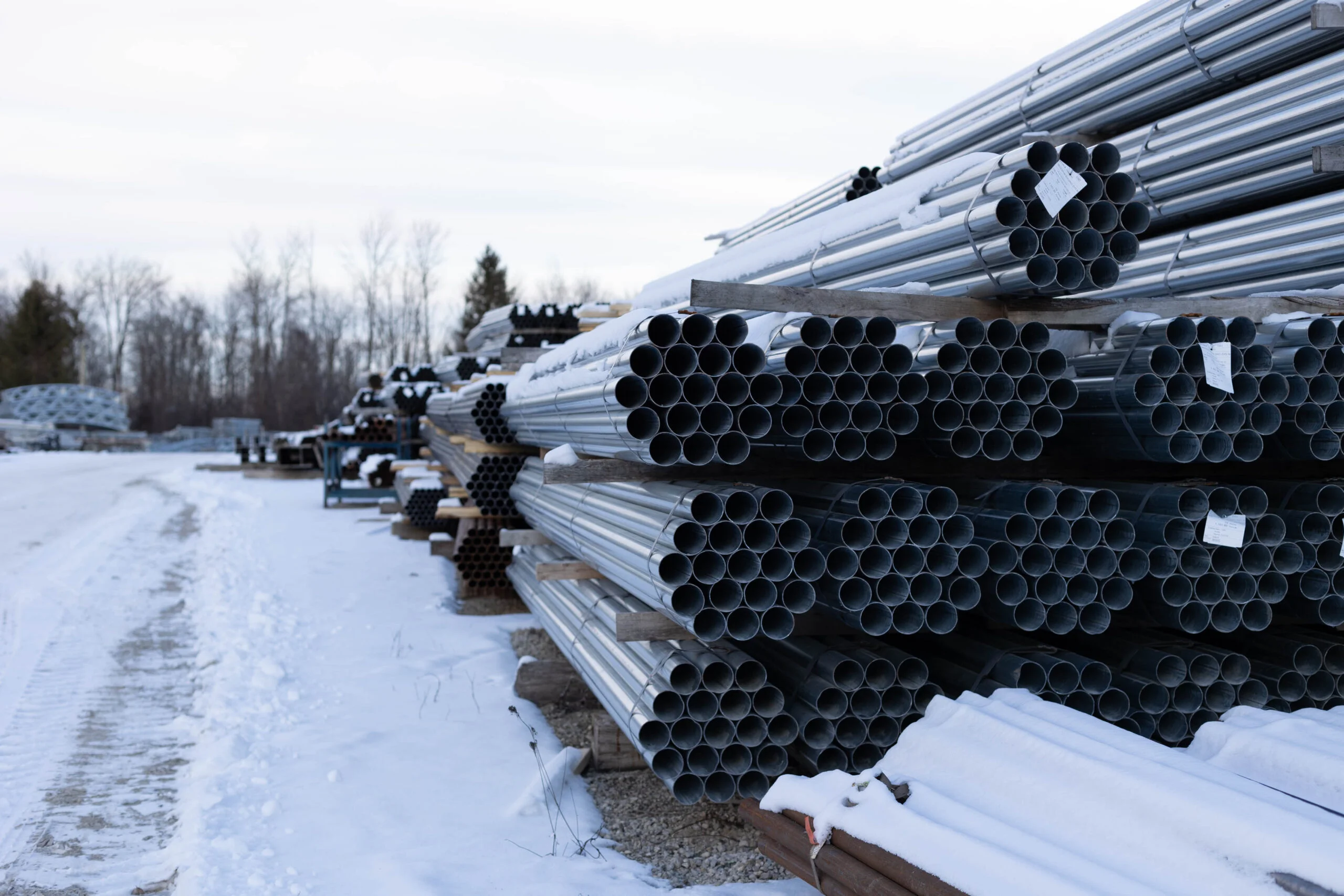
Frames in a fabric sheep building are typically hot dip galvanized for corrosion resistance in splash and wash areas. The membrane is selected for UV stability and even light. Protect high-contact zones with curb height and abrasion shields. Routine tension checks keep the cover tight to reduce wear.
When it is time to refresh the envelope, a re-cover can extend service life with minimal downtime. Long-term reliability is also supported through Britespan’s warranty coverage, which reflects the durability of both the structure and the enclosure. Clear warranty terms help owners plan with confidence, protect their investment, and manage lifecycle costs over time. With proper care and maintenance, a fabric building can continue performing well for years while maintaining predictable ownership expectations.
Case Study: Shepherd Creek Farms, Multi-Purpose by Design

At Shepherd Creek Farms, Sandi Brock of Sheepishly Me configured an 80 × 252 Apex to function as a multi-purpose sheep facility. “We custom-made the building knowing that we were going to have sheep in it. We also made it so that everything could come out very easily. These give you that ability and opportunity whereas a conventional barn does not.” The clear span interior supports seasonal pen changes, efficient feeding, and fast equipment access, all inside a bright, calm environment that suits flock behaviour. This application shows how a sheep and goat fabric barn layout can adapt without costly structural changes.
Planning Your Fabric Goat and Sheep Barn: A Step-By-Step Guide
Define outcomes first
List daily chores, head counts by group, target stocking density, and equipment routes. Align door sizes and pen modules to those needs.
Set spans and heights
Choose a clear width that removes posts from traffic lanes. Set eave height to fit bedding and feeding equipment with safe clearances.
Configure ventilation
Match ridge outlet area and curtain height to your climate. Plan controls that staff will use every day.
Engineer the base
Use curbs and slopes that manage water and protect steel near splash zones. Plan anchor locations and gate posts in the foundation design.
Detail chores and services
Locate hose bibs, receptacles, and lighting for chores and health checks. Keep utilities out of scrape paths and bedded pack.
Plan life-cycle work
Document tension checks and keep a small spares kit. Schedule routine inspections of door hardware, straps, and curtain tracks. When the time comes, plan a re-cover to refresh the envelope efficiently.
Quick Answers for Small Ruminant Operators
What is the main advantage of a fabric goat and sheep barn over conventional construction?
Bright, even light and clear spans reduce stress and speed chores. Layouts remain flexible for seasonal pen changes without structural rework.
How does natural ventilation help goats and sheep?
Continuous, gentle exchange removes moisture and contaminants, which supports respiratory health and keeps bedding drier.
Can one building serve multiple functions through the year?
Yes. With a clear span and planned anchor points, you can change from breeding groups to lambing or kidding, then back to grower pens.
What sizes work best?
Pick the smallest clear width that removes posts from your lanes. Set height for equipment with safe overhead clearance and good stack effect at the ridge.
How do I plan for future maintenance?
Follow simple tension and hardware checks, protect splash zones, and schedule re-cover cycles when the membrane reaches end of life.

Choosing the Right Series and Getting Started
The Atlas profile offers straight-wall efficiency for compact footprints, while Apex supports larger spans and tall clearances for wide feed lanes and equipment access. Your choice should follow herd size, equipment, and how you plan to reconfigure pens over time. Explore Goats & Sheep for species-specific guidance, review the Re-Cover Program for life-cycle planning, and confirm terms in the Warranty.
Next Steps
Start with a simple sketch of pen modules, feed lanes, and door placement. Define ventilation targets for your climate and choose spans that remove posts from traffic. Then compare Apex & Atlas to match profile and clearance to your plan. For more ideas and examples, read our blogs:
Find the perfect fabric barn installer
Discovering the strength of the Apex Series
In the long run, with a thoughtful plan, a fabric goat and sheep barn creates calm, bright space that protects animal health and keeps daily work efficient. That is how a fabric solution earns its place on a high-performing small ruminant operation.