
9 Types of Fabric Buildings You Should Consider for Your Project
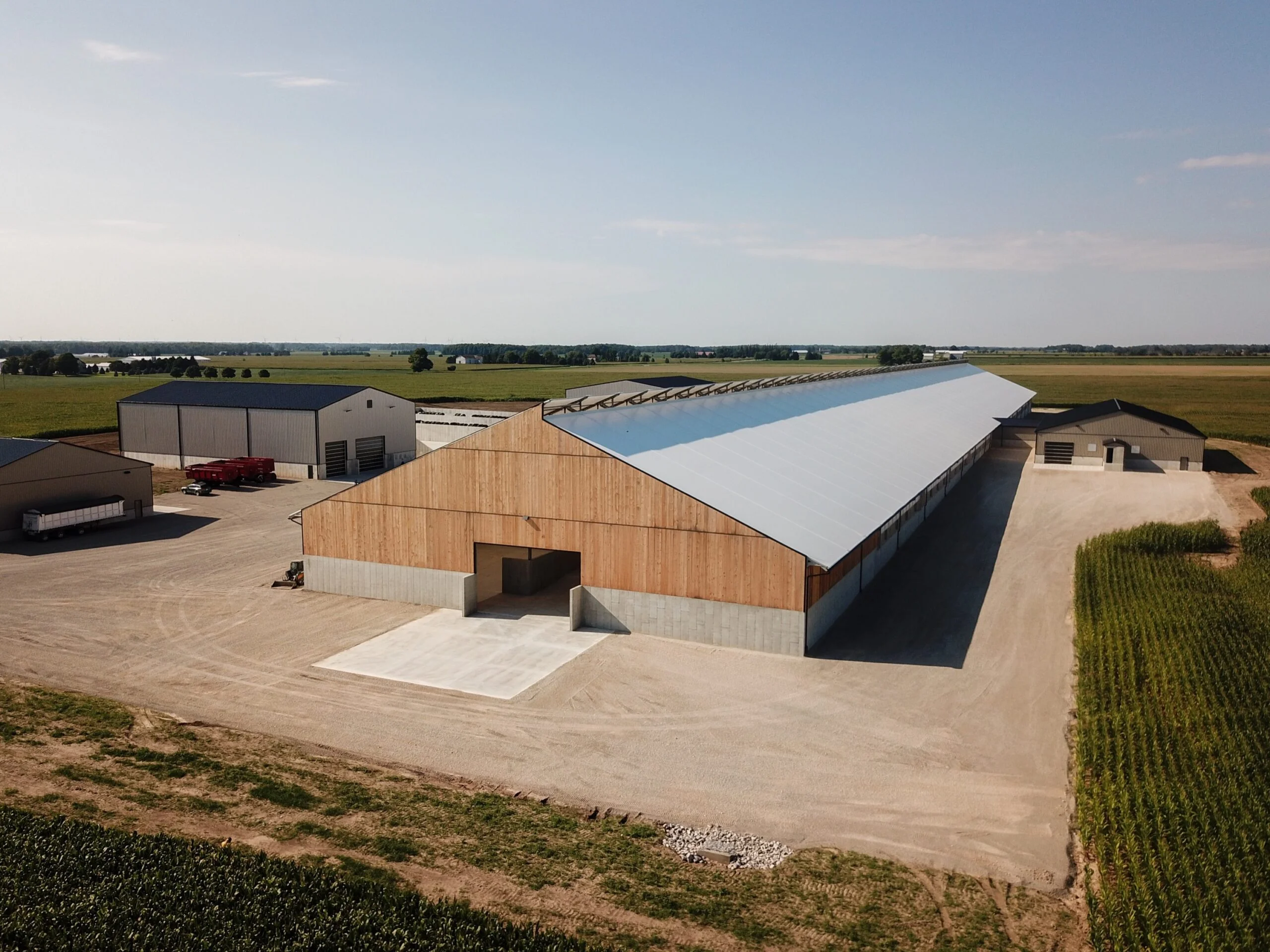
Fabric buildings cover a wider range of industries and applications than most people expect. From dairy barns and riding arenas to salt storage facilities, military structures, and indoor sports complexes, choosing the right profile comes down to width requirements, interior clearance, site loads, and how the space will be used on a daily basis.
Britespan designs and manufactures nine distinct building series, each engineered around a specific set of needs. Whether you are planning a smaller agricultural shelter or a large commercial warehouse, understanding the differences between each profile makes it easier to narrow down the right fit before the design process starts. Here is a look at all nine, what each one is built for, and when it tends to be the best option.
1. Atlas Series
The Atlas Series is Britespan’s best-selling building, and it is easy to see why. Its dome-shaped arch design is exceptionally strong, distributing weight evenly across the entire structure with no interior load-bearing columns standing in the way. That gives you a completely clear floor plan from wall to wall, which makes it a practical fit across a broad range of uses including beef barns, dairy operations, equine facilities, commodity storage, warehouses, salt and sand storage, and more.
Available in widths from 24 to 80 feet with standard leg heights from 6 to 10 feet and the option for custom configurations, the Atlas works as an open-ended, partially enclosed, or fully enclosed structure depending on the application. The arch profile sheds rain and snow naturally, and the standard one-piece cover can be upgraded to individual Keder panels in high-wind environments. It is compatible with a wide variety of foundation types including piers, grade beams, helical screws, poured walls, slab, and base rail, which gives it flexibility across different site conditions.
2. Apex Series
The Apex structures, a distinguished type among types of fabric structures, combine the quick installation of Britespan’s traditional hoop-style Atlas line with an aesthetically appealing Gable-style truss system. This style can extend up to 100’ wide before additional customization is required. It often boasts a higher snow load capacity and wider truss spacing, making mounting on concrete piers more affordable compared to the arch-style Atlas, another type of fabric covered building. The Apex is ideal as a riding arena or equine boarding facility on farms.
3. Epic Series
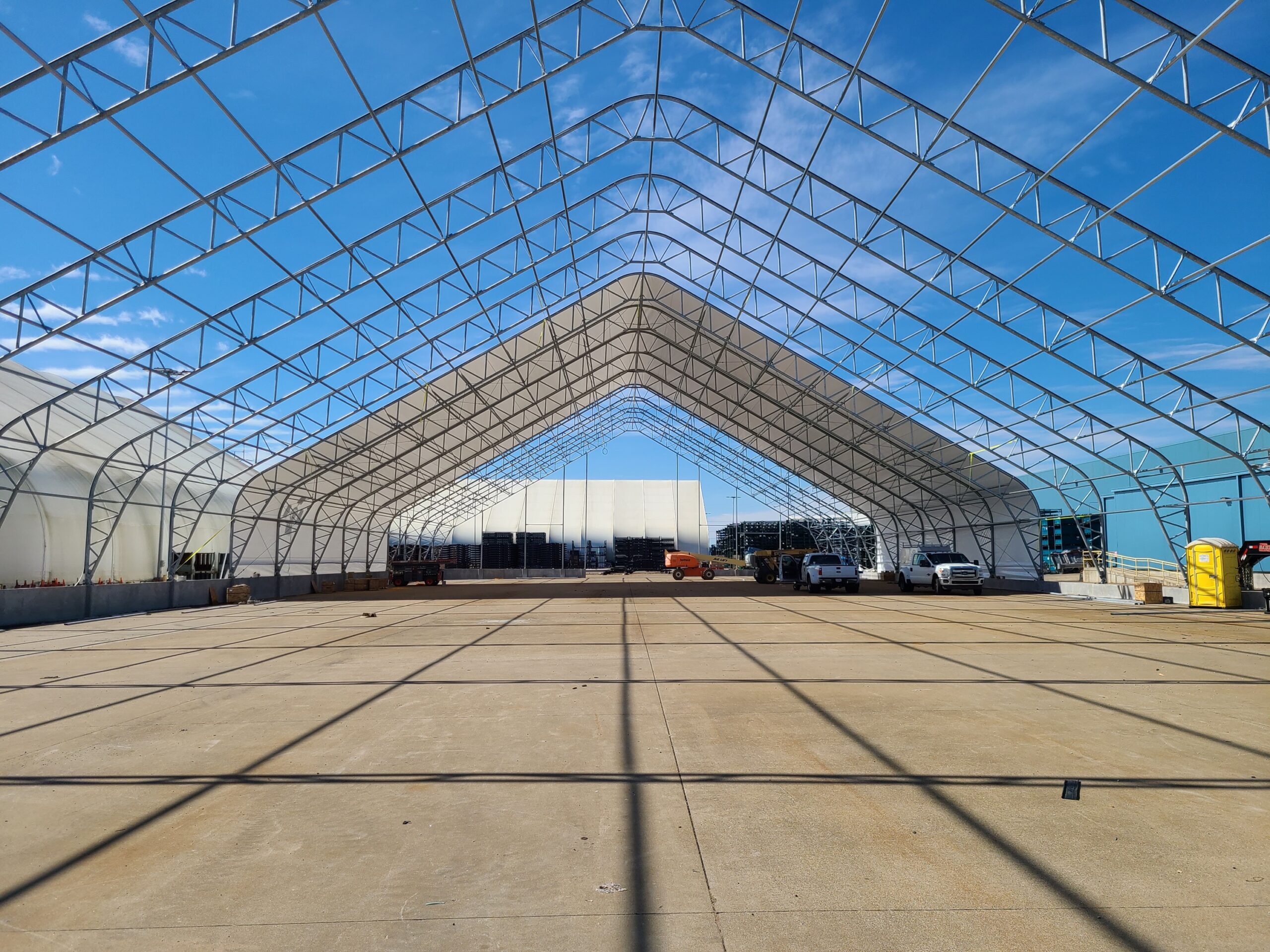
If you need the width and presence of a commercial-scale building but want the familiar look and functionality of a traditional straight-wall structure, the Epic Series is a great fabric building design. Its gable-style design uses vertical I-Beam legs rather than the curved arch of the Atlas, which gives it true straight walls from ground to eave. That matters for operations that need to close in the sides with steel, wood, fabric, or curtain wall panels down the road.
The Epic spans from 60 to 160 feet wide and comes with 2-foot integrated eaves standard, with options up to 5 feet or custom sizing depending on the application. Individual keder panels make up the cover rather than a single-piece cover, and the pitch can be adjusted between a standard 7:12 for heavy snow loads and a lower 5:12 for high-wind regions. It is used heavily in dairy and beef operations, goat barns, commodity storage, warehousing, manufacturing, and sports facilities. For any project where the interior height, wall flexibility, and wide clear-span footprint all need to work together, the Epic is typically the profile that fits.
4. Genesis Series
When your project calls for serious scale, the Genesis series is worth a close look. Designed specifically to achieve the widest clear span possible, this gable-style building reaches up to 210 feet wide, making it one of the largest fabric building profiles available. Whether you need to store heavy machinery, protect bulk commodities, or house a large sports facility, the Genesis delivers the interior volume to get it done without columns interrupting the floor plan.
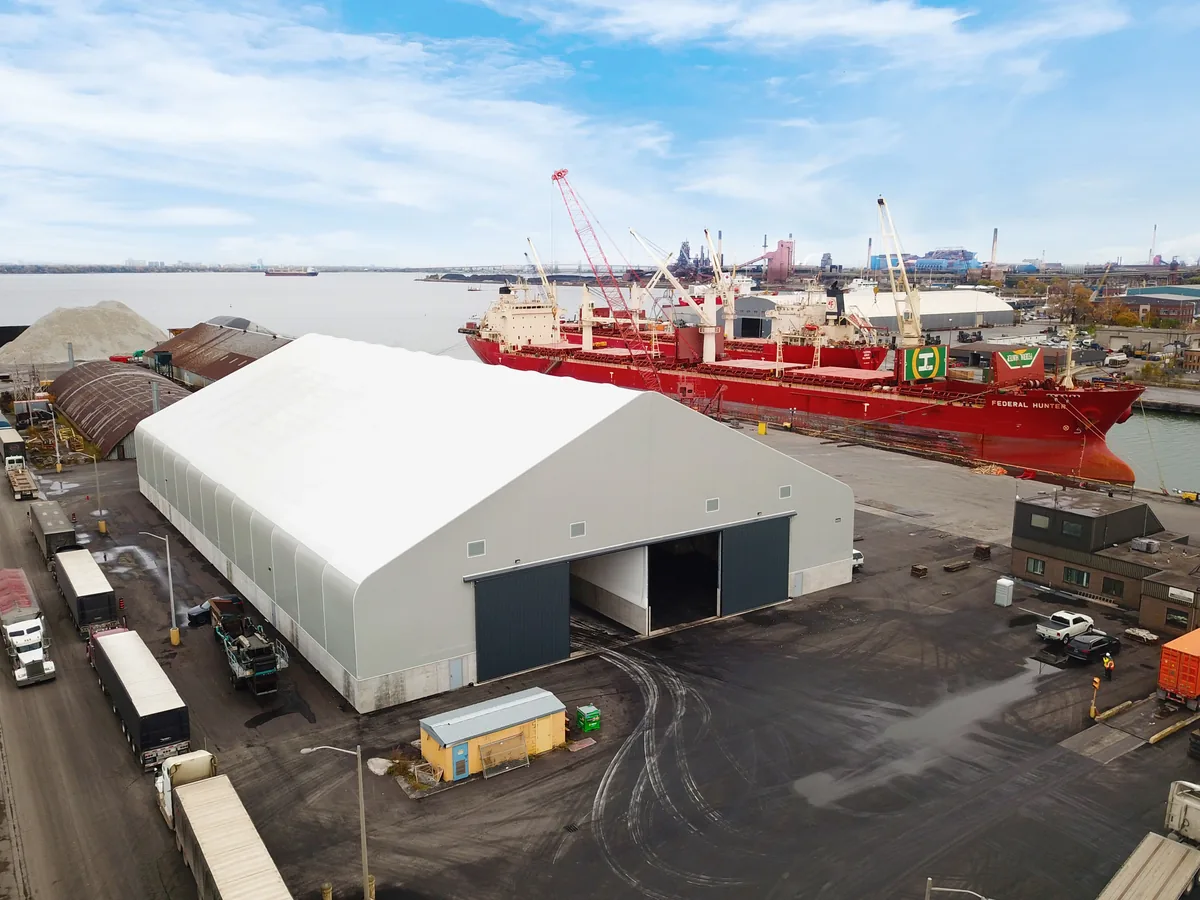
Every Genesis Series building is fully engineered to meet site-specific design criteria and is available with a structural engineer’s seal, which matters when you are working in regulated environments like port authorities, military facilities, or municipal infrastructure. Municipalities in particular have made it a go-to choice for large-scale salt and sand storage, where corrosion resistance and unobstructed interior access are both critical. Buildings sit on a variety of foundation types including blocks, grade beams, piers, and poured walls, and can be configured as open-ended, partially enclosed, or fully enclosed to suit the application.
5. Magnum Series
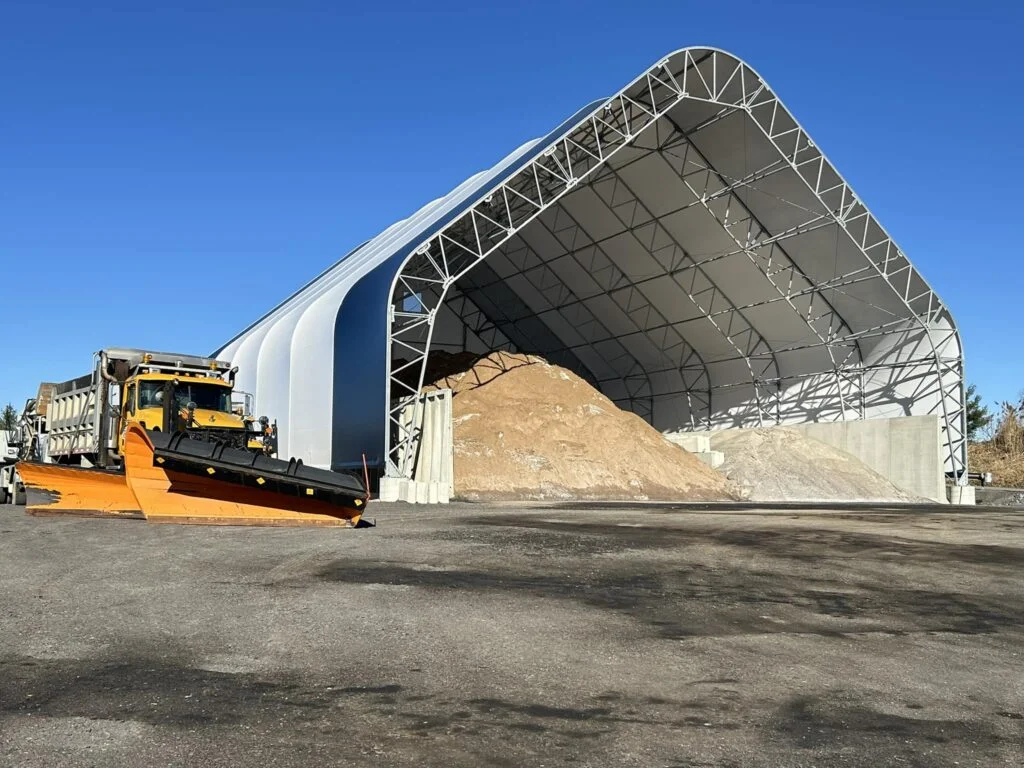
When planning a storage facility for materials such as salt, sand, or compost, factors like easy unloading, protection from accidents, high snow load capacity, and the ability to keep materials in a bunker for corrosion prevention are crucial. The Magnum series, representing a unique type of fabric building, fulfills all these needs with impressive features, including a 30-foot tall dumping window, 20-foot on-center truss spacing, and a capacity to withstand up to 143 lbs of snow load. This makes it the go-to solution for municipalities looking for a sturdy salt storage facility.
6. Easy Access
As the name suggests, Easy Access structures provide a tension membrane fabric building, another member of the types of fabric structures, that facilitates equipment and vehicle storage with bays spaced up to 16 feet apart. While this might seem simple, an open building can face substantial uplift, necessitating specialized engineering measures to ensure resilience against high snow and wind loads. With Easy Access, parking hassles become a thing of the past.
7. PL Series
The Britespan PL Series, resembling traditional hoop-style arches and adding to the types of fabric covered buildings, is perfect if you’re looking to install a shelter for your goats. Instead of mounting the frame on treated posts or a wooden pony wall – which might not be durable, especially with the recent surge in lumber prices – this series comes with I-Beam posts that are pre-drilled for strapping, allowing the installation of a metal-clad wall. Developed in collaboration with seasoned dealers familiar with various types of structures, it addresses the need to replace aging wooden posts in older structures, ensuring longevity and a variety of foundation choices.
8. Triumph Series
The Triumph Series is a newer addition to the Britespan lineup, and it brings a practical set of improvements to the standard fabric building format. Available in 80, 90, 100, and 110 foot widths with 10 or 14 foot leg heights, it uses a gable-shaped, mono-cover design that reduces seams across the building envelope and improves weather tightness as a result. For operations that have dealt with moisture or cover wear at panel seams on older structures, that design difference is noticeable.
The Triumph is built to cover a wide range of uses without overcomplicating the build. In agriculture, it performs well for dairy and beef operations, equine facilities, hay and straw storage, and general livestock housing. On the commercial and municipal side, you will find it in salt and sand storage yards, equipment warehouses, manufacturing facilities, sports complexes, and wash bays. Post-production hot-dipped galvanized trusses and HDPE fabric options in both flame retardant and non-flame retardant versions give it solid long-term performance across different climates and regulatory environments. For operations that need a dependable, efficient structure without a heavy customization process, it is a strong conversation to have with a Britespan expert.
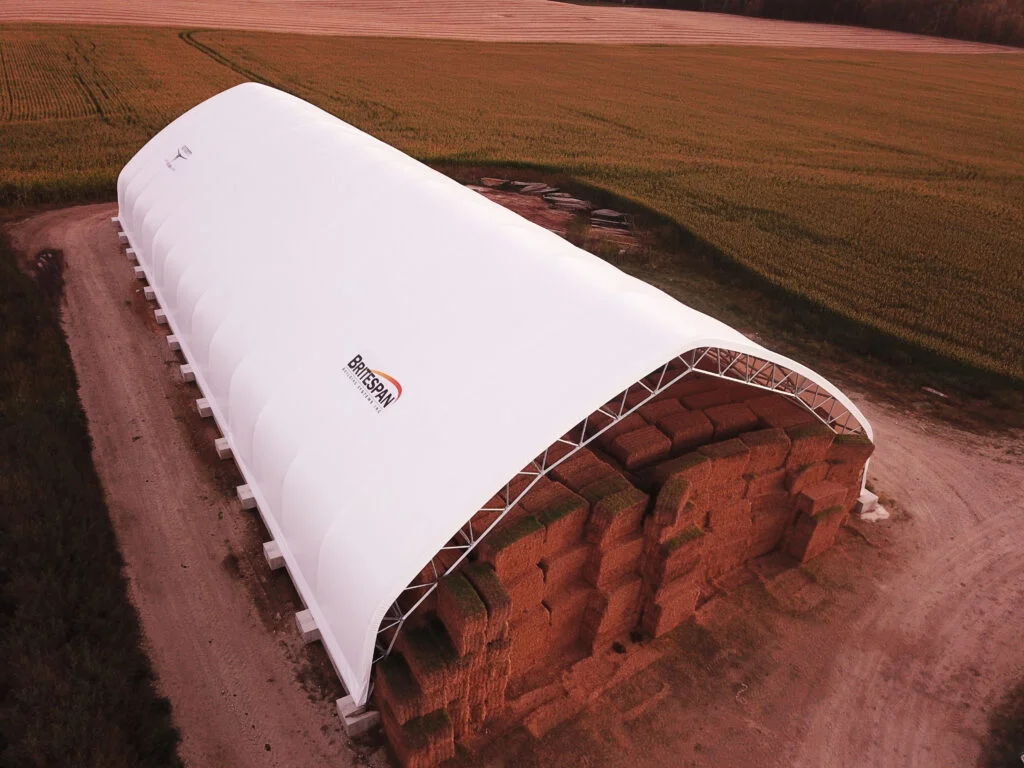
9. Container Buildings
Container buildings, a unique type of fabric building, have become more common in North America with the surge in consumer goods imported from Asia. Due to the wear and tear and the cost of returning empty containers to their country of origin, many containers are retired at their destination. This surplus creates an opportunity for a unique and economical foundation by repurposing them as types of fabric covered buildings.
Imagine connecting two shipping containers to craft the perfect workshop or shelter! Britespan, familiar with various types of structures, has designed a kit that includes welded container mounts that attach to a truss system. These are field-welded either inside or outside the container and then covered with durable fabric. Britespan manufactures this container-building kit aiming for a swift four-week lead time. They use a standardized approach focused on maintaining uniform components and 13’3” spacing between trusses, ensuring a smooth and efficient installation on a standard 40’ container. Moreover, there are three different end-wall variations available to suit your specific needs.
Armed with knowledge about these nine fabric-building profiles, you’re better prepared to make an informed decision for your project. Each style presents unique fabric building advantages and purposes, so don’t hesitate to reach out to Britespan. Our experts and professional dealers are on hand to discuss your specific project requirements, factoring in size, space, climate, and budget, and guide you in designing a building compliant with local regulations and building codes. The construction industry is evolving, and Britespan leads the way, dedicated to offering versatile and cost-efficient tension membrane buildings, each representing unique types of fabric structures, for your upcoming projects.
Reach out to the Britespan specialists today to discover various fabric building solutions that can realize your vision.
Frequently Asked Questions
Are all fabric buildings the same shape?
Not at all. While the classic hoop-style arch is the most recognized format, fabric buildings come in gable-style, tension membrane, mono-cover, and container-based designs, among others. The shape affects more than just appearance. It influences snow load performance, interior clearance, truss spacing, and what foundation types are practical for your site, so it is worth understanding the differences before committing to a profile.
What is the difference between a fabric building and a steel building?
The main differences come down to cost, build speed, and natural light. Fabric buildings typically cost less to construct and go up significantly faster than steel equivalents. The translucent covers also allow diffused natural light inside, which reduces lighting costs in many applications. Steel buildings can offer advantages in heavily customized configurations or where very long service life with minimal maintenance is the primary goal, but for a wide range of agricultural, commercial, and municipal uses, fabric structures are a practical and proven alternative.
How do I know which fabric building style is right for my project?
Start with your key constraints: the width you need, required interior clearance height, the snow and wind loads at your site, the foundation you can build on, and how equipment or vehicles will move in and out. Some profiles, like the Apex, are well-suited to moderate widths with higher snow loads, while others like the Genesis are designed for the widest spans available. A Britespan expert can match your specs to the right profile once you have those answers in hand.
Updated: July 3, 2026