
Top 3 Misconceptions About Fabric Buildings
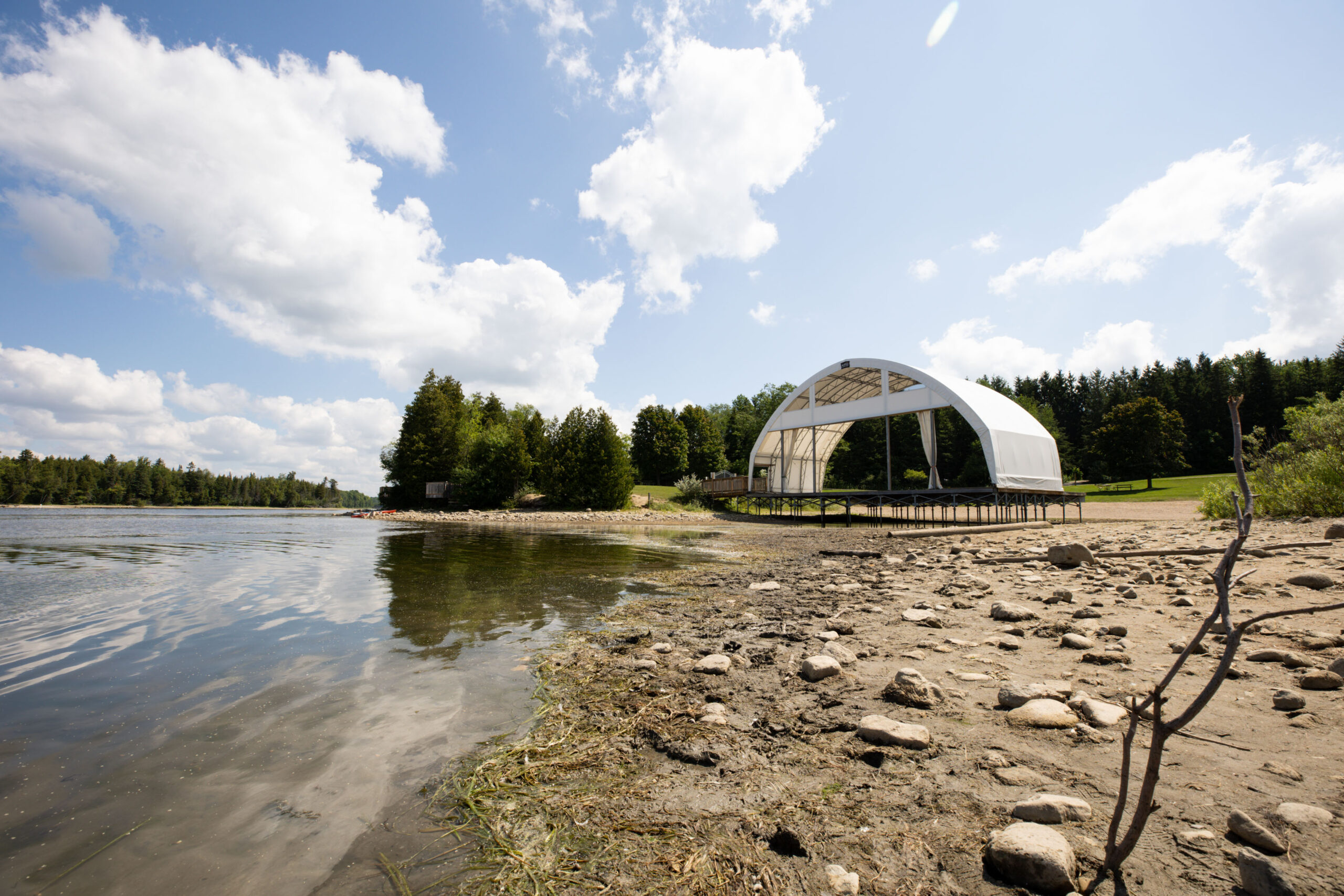
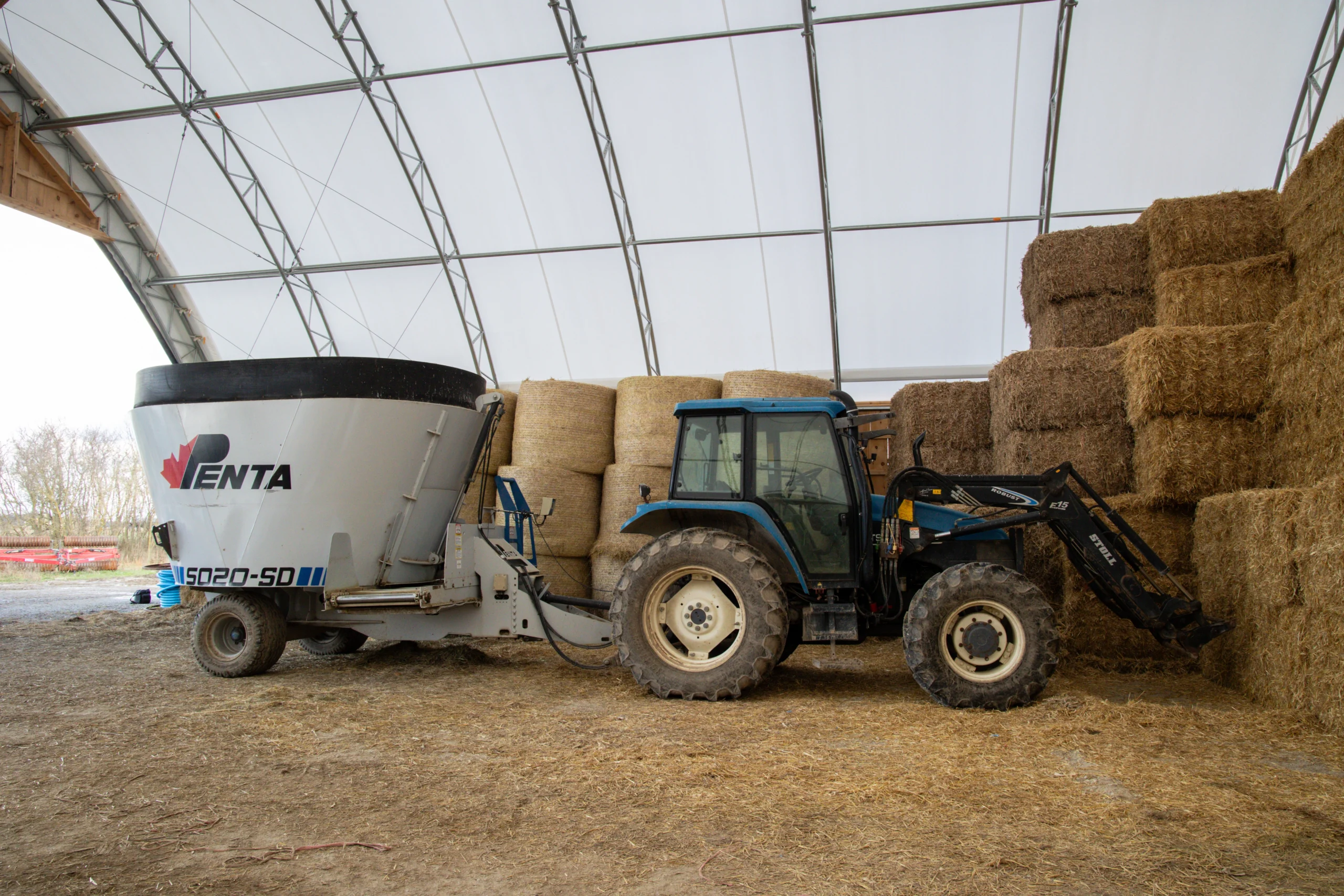
Operators have used tension fabric buildings, fabric structures, hoop buildings, and coverall style buildings for decades. Fabric buildings started with small garages and agricultural storage. Today they include robotic milking barns, municipal salt storage, waste and recycling facilities, indoor sports complexes, and event centers. Yet a few myths about their use, durability, and lifespan still remain. Let’s put them to bed.
Misconception 1: “Fabric Buildings Are Only For Agriculture”
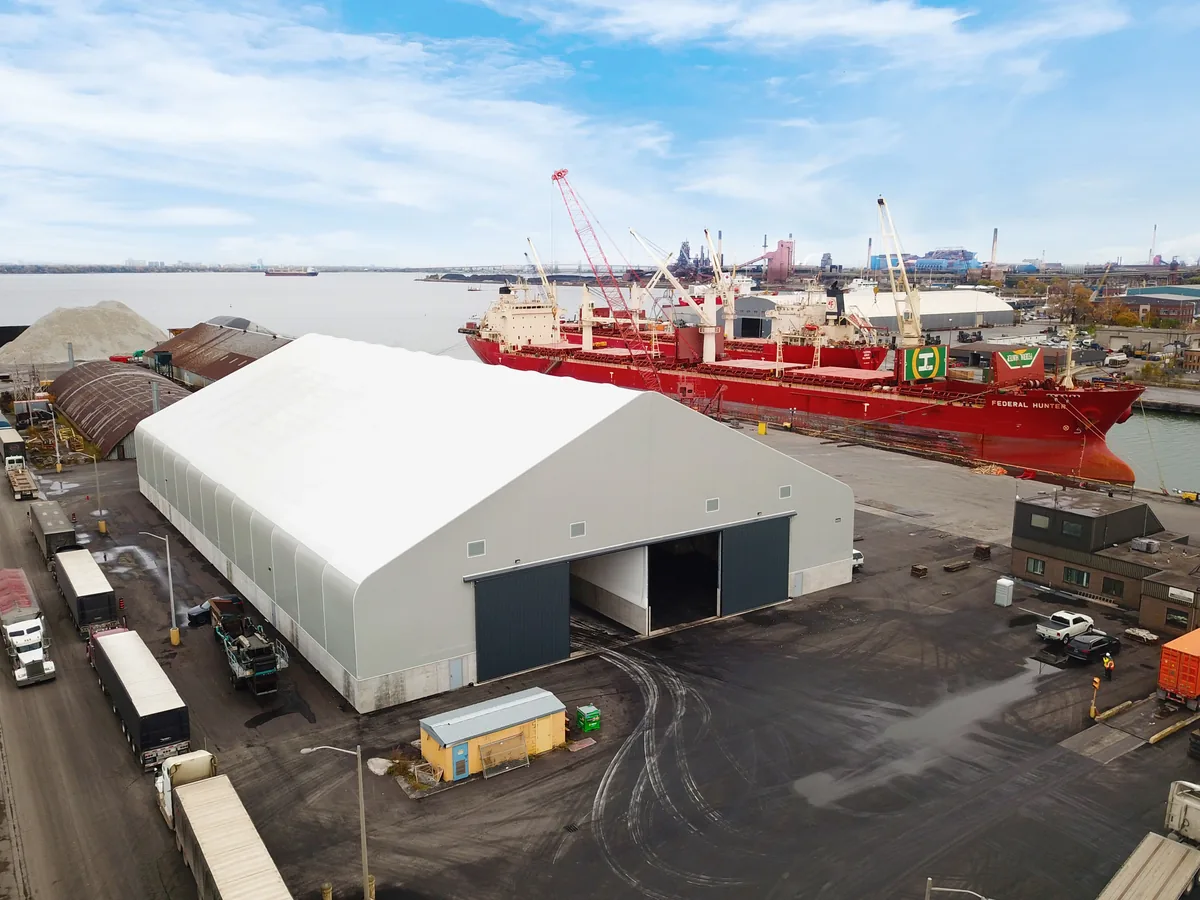
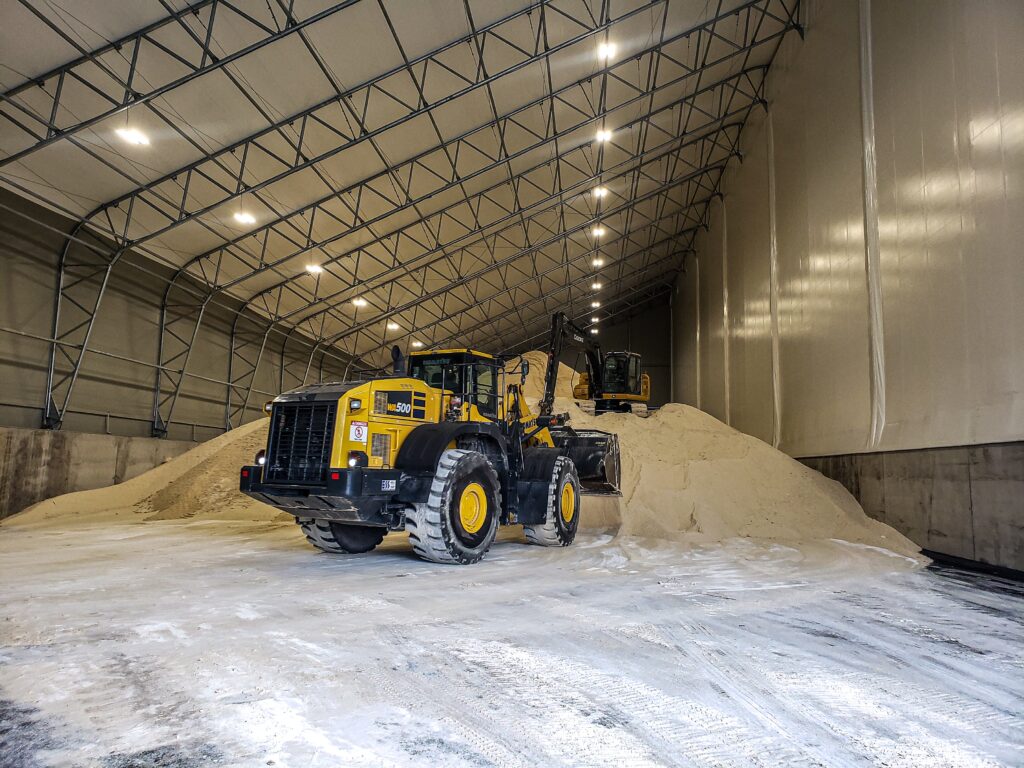
Reality: Commercial, and municipal operations widely use modern fabric buildings. In fact, many cities rely on fabric salt storage buildings to keep piles covered and stormwater clean. EPA stormwater guidance requires operators to protect salt piles from rain and runoff. Many municipalities choose covered or enclosed fabric buildings for salt storage because they help protect surface water, maintain material quality, and meet stormwater management expectations. Fabric buildings also support efficient loader access and bright interiors. Their clear spans keep operations moving during winter weather.
Fabric covered buildings deliver wide clear spans, tall leg heights, and efficient traffic flow. The same clear span that helps a front-end loader also benefits a zamboni, a forklift, or spectator seating. The International Building Code recognizes membrane-covered frame structures when used for more than 180 days. This allows owners to permit permanent fabric buildings for non-agricultural use.
Misconception 2: “Fabric Buildings Are Not Durable”
Durability comes from engineering, materials, and installation quality. Britespan designs pre-engineered fabric buildings for site-specific wind snow, and seismic loads and municipalities permit them like any other structure in that category and occupancy.
Corrosion protection matters in salty or wet environments. Hot-dip galvanizing protects steel frames after fabrication. The bonded zinc coating resists abrasion and corrosion. That is why engineers specify it for harsh environments.
Installation quality is just as important. Properly tensioned covers keep the structure rigid. Correct base plates, piers, and anchorage extend service life. Poor tensioning shortens cover life and can stress the frame, so choose experienced installers and verify torque and tension steps in the close-out.
Misconception 3: “Fabric Covers Do Not Last Long”
Engineers develop fabric covers for long-term performance. When installed and maintained correctly, many Britespan buildings remain functional after 20 years. Regular inspections and simple maintenance extend membrane life and support reliable long-term performance.
Fire performance is also frequently misunderstood. Britespan fabric buildings can include fire suppression systems and other safety features. The membrane also behaves differently than traditional roofing materials in a fire. The fabric can soften and open, helping heat and smoke vent upward rather than trapping them inside the structure. After a fire, and once the building is evaluated by qualified professionals, many galvanized steel frames can be re-skinned and returned to service when appropriate.

Bonus Benefits You Can Use Right Away
- Permanent, temporary, or portable: design to suit project timelines and permitting path under IBC and local bylaws.
- Customizable: add insulation, HVAC, big fabric or steel doors, end and side walls, windows, and eaves to tune comfort and efficiency.
- Operational efficiency: bright interiors from translucent fabric reduce daytime lighting needs; clear spans maximize cubic storage for commodities and equipment.
- Branding: apply decals or printed panels so the building works as a sign for your site.
The Truth About Fabric Buildings
Fabric buildings are proven, code-recognized, and built to last when they are engineered, galvanized, and installed correctly. Need help choosing the right fabric, framing, and foundation for your site? Contact the Britespan team for a quick cost and capacity review. We will review your layout, recommend a pre-engineered configuration, and provide a budget estimate that fits your operation.

Written by Lindsay Kenny | Technical Review by George Lawless


Last Updated: March 9, 2026