
Indoor Sports Complexes: Benefits of Building with Fabric Structures

Indoor sports facility construction makes it possible for anyone to play anything whenever they want and need to do so. For communities, schools, and sports organizations, building an indoor sports facility creates a flexible space that can adapt over time. It can accommodate multiple sports, athletes of all ages, and changing program needs. The benefits of fabric buildings amplify this even more so.
The Advantages of Building an Indoor Sports Complex
Fabric-covered indoor sports facilities are a fast-growing industry throughout the country and with good reason. They provide opportunities for communities to meet the needs of fitness-inspired people of all ages. Some of the core advantages of an indoor sports complex rather than outdoor traditional versions include the following:
Accessible throughout the year
With the ability to use the indoor sports complex throughout the year, more community members can engage in these activities throughout various programs. No matter what type of weather is happening outside, from snow to rain, athletes are indoors and safe.
Comfortable conditions
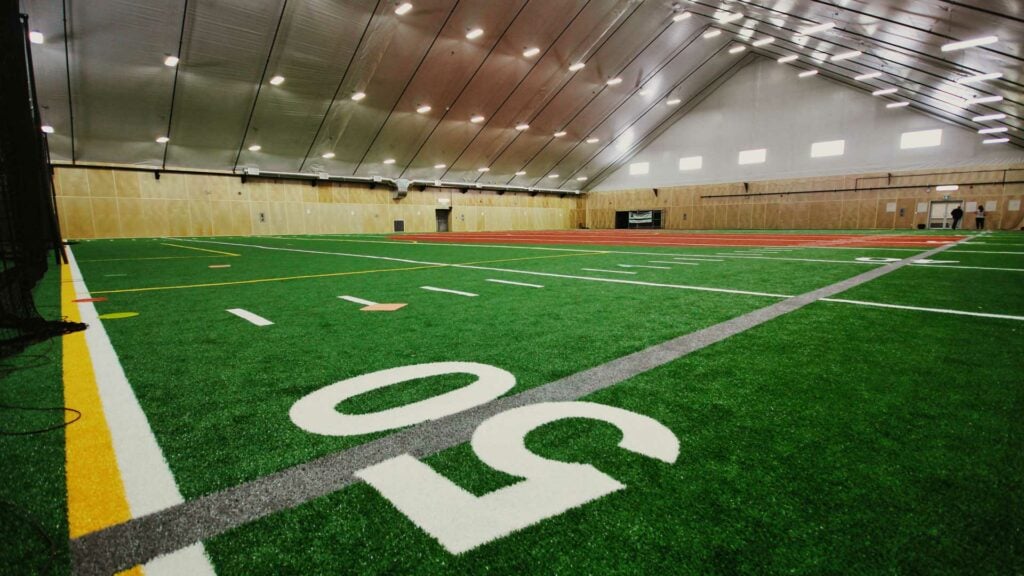
With a sports complex indoors, the facility’s climate is more within the control of the user. This offers better playing conditions, clean and dry surfaces, and fewer injuries from bad weather. With indoor facilities for sports so in demand, this type of system can offer:
- Better lighting control and modification
- Improved temperature to meet specific goals or needs
- Better playing conditions, including the ability to incorporate any type of sports surface desires
- And added amenities that can make the space far more enjoyable overall
Fabric buildings add another advantage: improved energy efficiency while maintaining control over the indoor environment. Fabric buildings tend to be more efficient to heat and cool, often requiring less need for HVAC systems in temperate climates. More so, they tend to be the better option for environmentally friendly use as well.
Enhanced safety for players and staff
A sports complex building must meet the specific needs of the game, but it must also create a safe area for athletes. With liability costs on the rise, many groups forgo these types of spaces because of the high cost of insurance. However, building a sports complex with fabric structures offers a few core benefits in this area:
- Dramatically reduced risk of a player suffering from heat stroke or getting overheated.
- Dramatically reduced risk of being in a sudden downpour that leads to injuries on the field.
- Temperatures can be maintained within a safe level, including in very high-heat areas.
- There are no sharp objects randomly found in the dirt, like in a park.
- Depending on the type of surfaced use, shock absorption benefits can be added as well.
The advantages of fabric buildings are that they help to enhance the safety of the indoor sports complex many times over.
Maintenance is easy and less costly
Municipalities often choose fabric buildings because they offer a budget-friendly solution. Traditional sports complexes require ongoing maintenance throughout the year. By comparison, a fabric indoor sports complex requires less maintenance and upkeep. There is no need to paint it and the material itself remains clean overall.
Unlike an exposed field that becomes off-limits after a rain storm or throughout the winter months, an indoor sports complex does not require the same level of time and attention to maintain it but provides a safe environment on an ongoing basis.
Versatility
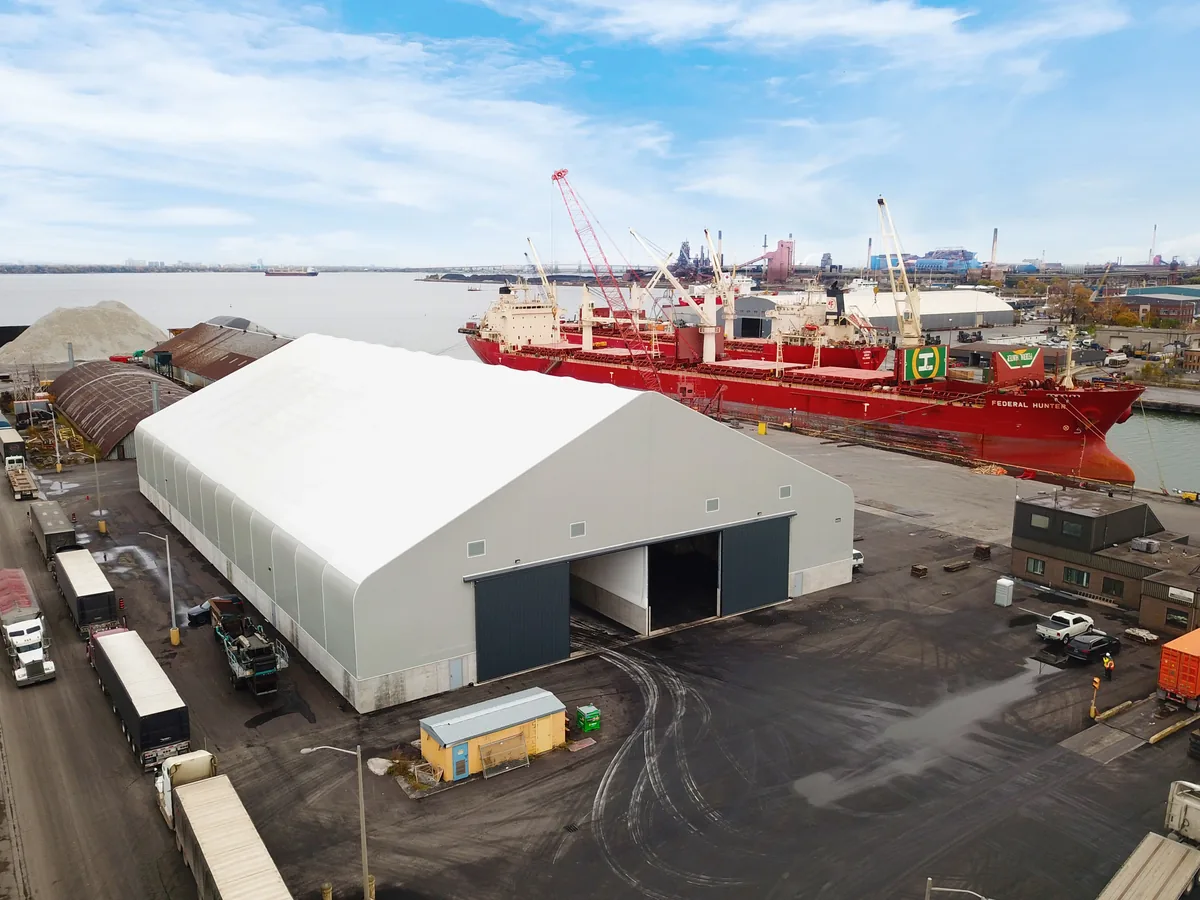
There may be some organizations that need a multi-use facility that goes beyond seasonal sports. For example, you can use the same fabric building for industrial solutions during the winter months, such as storing salt for roadways, and then, during the warmer months, convert it into an area safe enough for teams to practice.
More so, the indoor sports complex can be customized to meet any need going forward. Whether the space is dedicated to a single sport or multiple sports, or if the space is changed from one season to the next to meet the current demand, with an indoor facility for sports in a fabric building structure, it is highly flexible.
What Does an Indoor Sports Complex Cost?
One of the most common questions organizations ask is, “How much does an indoor sports complex cost?” The answer depends on the building’s size, intended use, foundation, mechanical systems, and interior amenities. Fabric-covered indoor sports complexes often cost less than conventional buildings while providing a durable, year-round facility. Working with experienced indoor sports facility builders early in the planning process helps establish a realistic budget and ensures your facility meets your long-term needs.
Selecting the Right Solutions for Your Indoor Sports Complex
To build a sports complex and make the most out of the space and needs of a group, there are several core factors that must be considered.
- What are the indoor sports complex requirements? Which sports will the facility provide services for? What specific groups will use these facilities (is there a need for a community-wide program or just a solution for adults?)
- Are indoor sports facilities profitable? If the project must be profitable, you need to consider features to drive up value, including stands, restrooms, and other features that make them desirable.
- What are the field requirements? With fabric buildings, there is more versatility in placing them on virtually any type of foundation without the requirement of footings or a concrete pad. However, you can also place them on artificial turf or other structures to meet court, field, and track needs.
Fabric indoor sports buildings are durable and long-lasting. Their steel frames withstand severe weather while protecting athletes and playing surfaces year-round. Fabric buildings can be customized in a variety of sizes and roof profiles, support the systems required for sporting events, and deliver energy-efficient climate control. They can remain 10 to 15 degrees cooler in summer and significantly warmer in winter. More so, there is no risk of UV light exposure.
Making the Move with the Best Solution Available
At Britespan Building Systems Inc., indoor sports complex design becomes far more accessible and readily available. With cost-effective, highly versatile, and both temporary and permanent structures, organizations can maximize the use of their facilities and provide an important, even necessary, community amenity at a fraction of the cost. Set up quickly, easily maintained, and highly competitively priced, they reveal any type of traditional sport complex space.
Updated: August 10, 2026