
7 Hidden Costs of a Fabric Building Re-cover
Replacing the fabric on an existing building extends the life of the structure and restores reliable protection for equipment, materials, livestock, or operations. However, the cost of a fabric building re-cover involves more than the replacement membrane itself.
Building size and fabric specification matter, but they are only part of the final project scope. Installation equipment, roof-mounted accessories, site access, structural repairs, and operational downtime can all affect the total investment. Understanding these costs early helps owners build a more accurate budget, compare quotes more effectively, and avoid unexpected changes once the project begins.
What Determines the Cost of a Fabric Building Re-cover?
The cost of re-covering a fabric building depends on several factors. These include the building’s width, length, and height, the shape and design of the structure, the number of fabric sections, and the type and specification of the replacement fabric. In addition, the condition of the existing steel frame, the building’s location and accessibility, installation labour and equipment, roof vents, fans and other accessories, and the desired timeline can all influence the total.
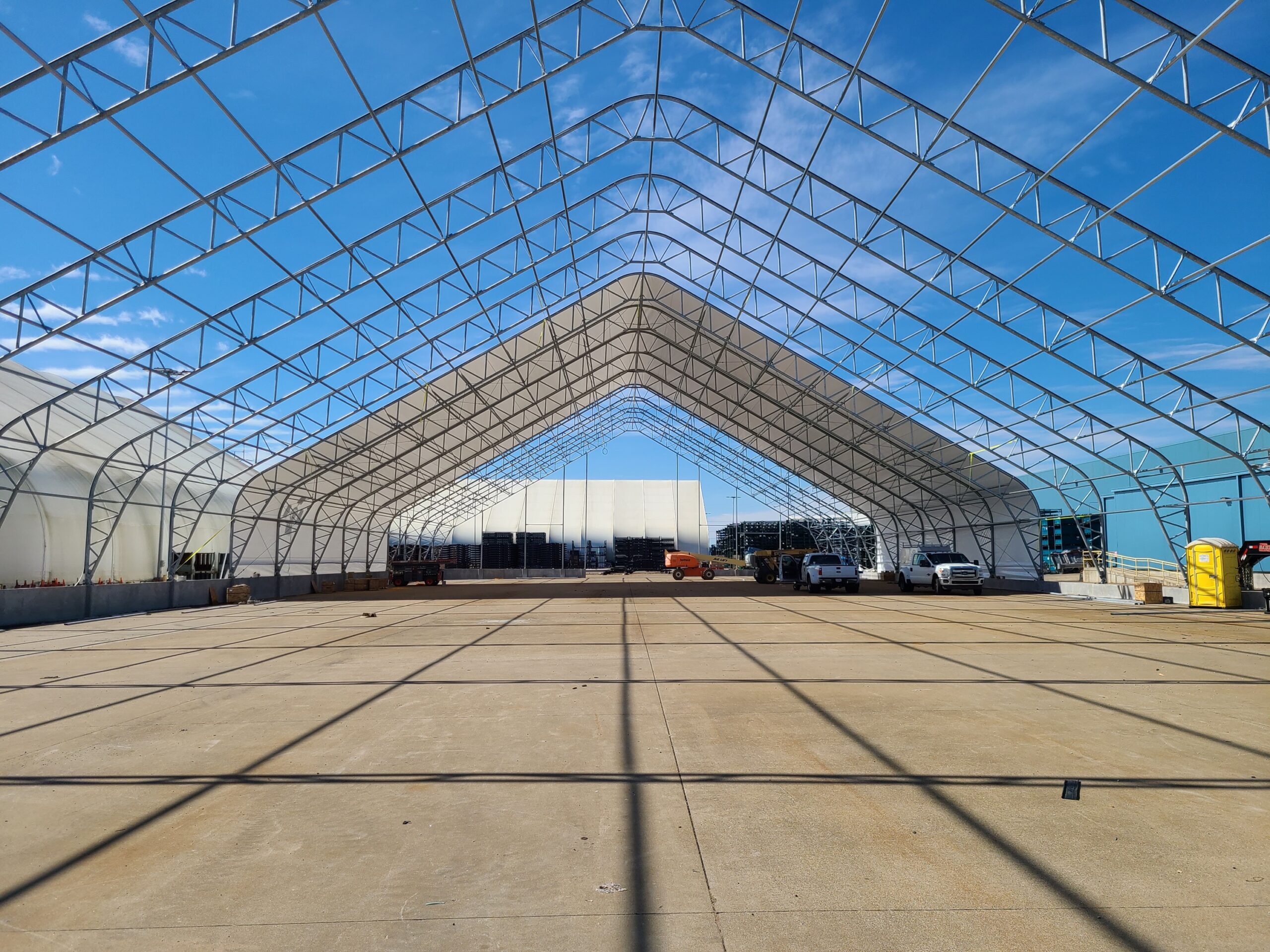
As a result, square footage alone is rarely enough to produce an accurate fabric building re-cover cost. A complete estimate should account for the full process of removing the existing cover, preparing the structure, and safely installing and tensioning the new membrane. The installation itself is the most technical stage, where a crew positions and tensions the new membrane over the frame before securing it.
The seven costs below are the ones owners frequently overlook.
1. Removing and Reinstalling Roof-Mounted Accessories
Roof vents, exhaust fans, stacks, ducts, and other accessories can add significant labour to a re-cover project.
In many cases, these components cannot remain in place while the crew pulls the new fabric across the building, since even a small projection can catch or damage the membrane during installation. Depending on the building, the work may involve disconnecting electrical or mechanical components, removing vents and mounting frames, storing accessories during installation, replacing seals, flashing, or mounting materials, reinstalling and weatherproofing the accessories, and bringing in qualified trades where required.
A building with multiple roof penetrations may require considerably more labour than a similar building with a clear roof surface. Therefore, owners should confirm whether the quote includes accessory removal and re-installation or prices them separately.
2. Lift, Crane, and Specialized Equipment Rental
Larger fabric structures often require specialized equipment to complete the installation safely. Depending on the height and width of the building, the project may require boom lifts, snorkel lifts, telehandlers, cranes, material-handling equipment, and fall-protection systems.
Equipment costs depend on more than the daily rental rate. Delivery, pickup, fuel, operator requirements, and the length of the rental period may also affect the final price. Buildings with roof vents or accessories near the centre of the structure may require a lift with significant horizontal reach. When reviewing a re-cover quote, ask whether it includes equipment rental and transportation.

3. Site Access and Installation Conditions
A replacement cover needs room to be staged, unrolled, positioned, and pulled over the structure. Site conditions affect how quickly and safely the crew can work.
Potential challenges include trees close to the building, fences or nearby structures, narrow access roads, uneven or sloped terrain, muddy or soft ground, stored materials around the building, overhead power lines, limited room for lifts, and insufficient space to unroll and position the replacement fabric. In some cases, the owner may need to clear the surrounding area, relocate equipment, or improve access before work begins.
Providing current photos, aerial images, drone footage, or a basic site plan during quoting helps the building provider identify these concerns early.
4. Structural Inspection and Frame Repairs
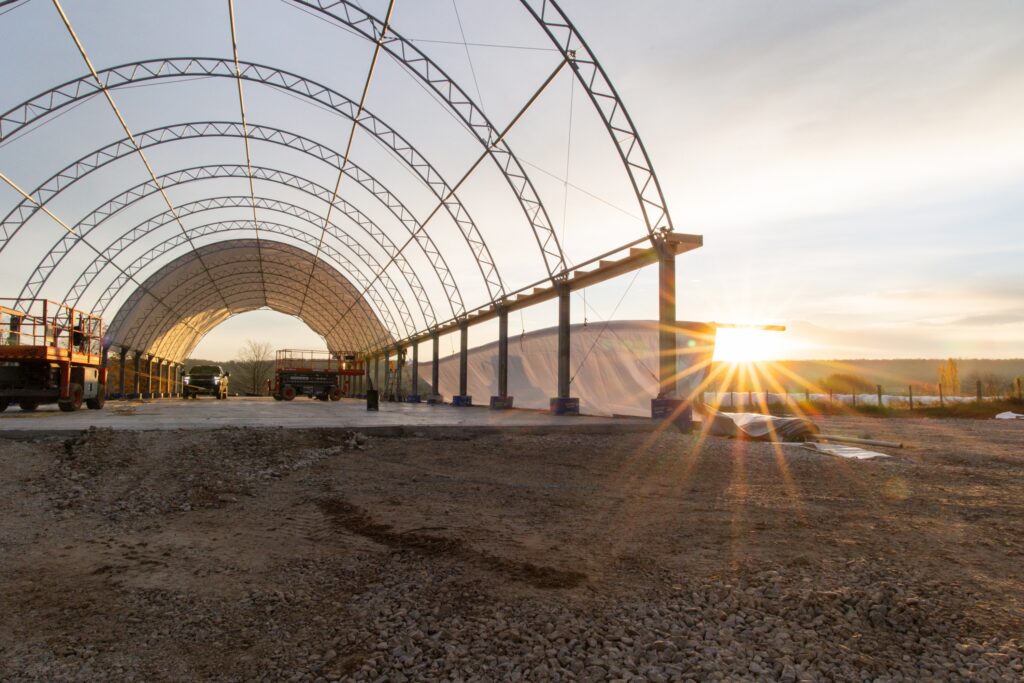
A re-cover project is an ideal time to inspect the existing steel structure. Once the old membrane is removed, the installation team has better access to components that are difficult to evaluate while the building is covered.
The inspection may cover the trusses, bolts and connections, bracing, cables, base connections, signs of corrosion, loose hardware, bent or damaged components, and any evidence of frame movement. An inspection cost may be relatively small compared with the overall project, but any required repairs can affect the budget.
A new membrane should not be installed over a structure with unresolved damage or unsafe conditions. Completing repairs before installation also reduces the risk of the existing frame damaging the replacement cover. Owners should ask whether the quote includes a structural inspection and how the provider will handle any required repairs.
5. Ventilation Changes and Building Upgrades
A re-cover project also creates an opportunity to reconsider the building’s ventilation system. Existing roof vents may be damaged, outdated, or no longer appropriate for the way the building is used. Reinstalling them may also require additional labour, lift rental, and new mounting components.
A livestock building may need more consistent moisture and air-quality control than an equipment-storage facility or seasonal riding arena. In some cases, powered end-wall ventilation offers greater control while reducing the number of openings through the roof membrane. Review any ventilation changes with the building provider or an appropriate ventilation professional.
6. Freight, Crew Travel, and Mobilization
The cost of transporting the replacement fabric is only one part of getting the project to the site. Additional logistics may include shipping the replacement membrane, transporting equipment, crew travel time and accommodation, mobilization and demobilization, multiple site visits, and equipment delivery and pickup.
The distance between the manufacturing facility, the installation crew, and the project location often affects these costs. In some situations, nearby projects create opportunities to reduce mobilization costs. However, these savings depend on scheduling, crew availability, and timing, so owners should not assume them. Providing the exact project address early helps the contractor prepare a more complete estimate.
7. Downtime, Temporary Protection, and Insurance Delays
Some of the largest re-cover costs may not appear directly on the contractor’s invoice. If a damaged building remains exposed or unusable, the owner may face interrupted operations, relocation of livestock, inventory or equipment, temporary storage, and emergency tarping. Additional expenses may result from water or weather damage, expedited materials, lost production time, and further deterioration while waiting for repairs.
Insurance claims can add another layer of complexity. Adjuster inspections, documentation requirements, and approval timelines may delay the project, even when the owner wants the work completed quickly.
For storm-damaged buildings, owners should document the damaged fabric, interior exposure, roof vents and other accessories, damage to the steel structure, temporary repair costs, operational disruption, and any equipment or materials affected by the damage. Because coverage varies by insurer and policy, owners should work directly with their insurance provider to confirm what is eligible. An itemized re-cover estimate can make these conversations easier by separating the fabric, installation labour, equipment, accessories, and structural work.
Questions to Ask Before Approving a Fabric Building Re-cover Quote
A detailed quote helps prevent misunderstandings and unexpected change orders. Before moving forward, ask:
- Does the quote include removal and disposal of the existing cover?
- Are installation labour and equipment rental included?
- Who will remove and reinstall roof vents and other accessories?
- Will the steel frame be inspected before the new cover is installed?
- Are structural repairs included or priced separately?
- Are freight, travel, and mobilization included?
- What site preparation is the owner responsible for?
- What fabric and workmanship warranties apply?
- Are there different warranty conditions for an older or third-party structure?
- How long will the building be unavailable?
- What conditions could result in additional costs?
- What documentation can be provided for an insurance claim?
The lowest initial price may not represent the lowest completed-project cost. Comparing scope, exclusions, and responsibilities matters as much as comparing the final number.
How to Get a More Accurate Fabric Building Re-cover Estimate
The more information you provide at the start, the more accurate the estimate is likely to be. Before requesting a quote, gather the original building manufacturer, the building model if known, the width, length, and height, the approximate year of installation, original drawings if available, current photos of the building, detailed photos of the damage, the number and type of roof penetrations, the end-wall configuration, the current building use, the project address, site access information, the desired completion date, and insurance claim details where applicable.
Even if the original manufacturer is no longer in business, it may still be possible to design and manufacture a replacement cover using existing drawings or verified field measurements.
A Complete Re-cover Quote Helps Prevent Surprises
A fabric building re-cover is a coordinated installation project that must account for the existing structure, accessories, site conditions, equipment, and operational needs. Planning for these factors early helps owners build a more realistic budget, reduce change orders, compare quotes accurately, prepare stronger insurance documentation, identify necessary repairs, and limit operational disruption. The goal is to restore the building safely and give the owner confidence in the structure for years to come.
Frequently Asked Questions
How much does a fabric building re-cover cost?
The cost depends on the building’s size and shape, the fabric specification, the condition of the steel frame, site access, and the accessories involved. Square footage alone is rarely enough for an accurate figure. A complete estimate accounts for removing the old cover, preparing the structure, and installing and tensioning the new membrane.
What is included in a fabric building re-cover quote?
A complete quote should cover removal and disposal of the old cover, the replacement membrane, installation labour and equipment, accessory removal and re-installation, and any structural inspection or repairs. Freight, crew travel, and mobilization may be listed separately, so confirm what is included.
Can you re-cover a fabric building from another manufacturer?
Yes. Even when the original manufacturer is no longer in business, a replacement cover can often be designed and manufactured using existing drawings or verified field measurements.
How long is a fabric building unavailable during a re-cover?
Timelines vary with building size, site conditions, equipment needs, and whether structural repairs are required. Ask the provider for an expected schedule, and factor in any downtime when planning around the project.
Planning a Fabric Building Re-cover?
Britespan provides replacement fabric covers for many building makes and models. Our team can review your building dimensions, site conditions, accessories, and installation requirements to help develop a complete project scope. Contact Britespan to request a fabric building re-cover assessment or replacement-cover quote.
Written by: Lindsay Kenny | Technical Review by: George Lawless