
Why Fabric Structures Win for Modern Distribution Centres
Modern logistics networks are evolving rapidly. Higher throughput and tighter delivery windows are forcing operators to rethink their designs. Consequently, many companies now choose fabric structures for distribution centres as a preferred solution. These buildings offer more space, faster timelines, and predictable costs. Because distribution networks are growing more complex, many operators now evaluate fabric structures for distribution centres to expand capacity without the delays of traditional construction.
Fabric buildings provide long-term durability and bright interiors. Furthermore, they support efficient movement for busy teams and high-cycle equipment. Here is why these engineered solutions are gaining traction across the logistics industry.
Why Fabric Structures for Distribution Centres Support Flexible Logistics
Most distribution networks rely on constant movement. Most distribution networks rely on constant movement. According to Supply Chain Canada, modern logistics requires a higher level of strategic agility than ever before. Trucks need clear paths, and forklifts require room to maneuver. However, traditional construction often takes years. This delay makes it difficult for companies to respond to shifting market demands.
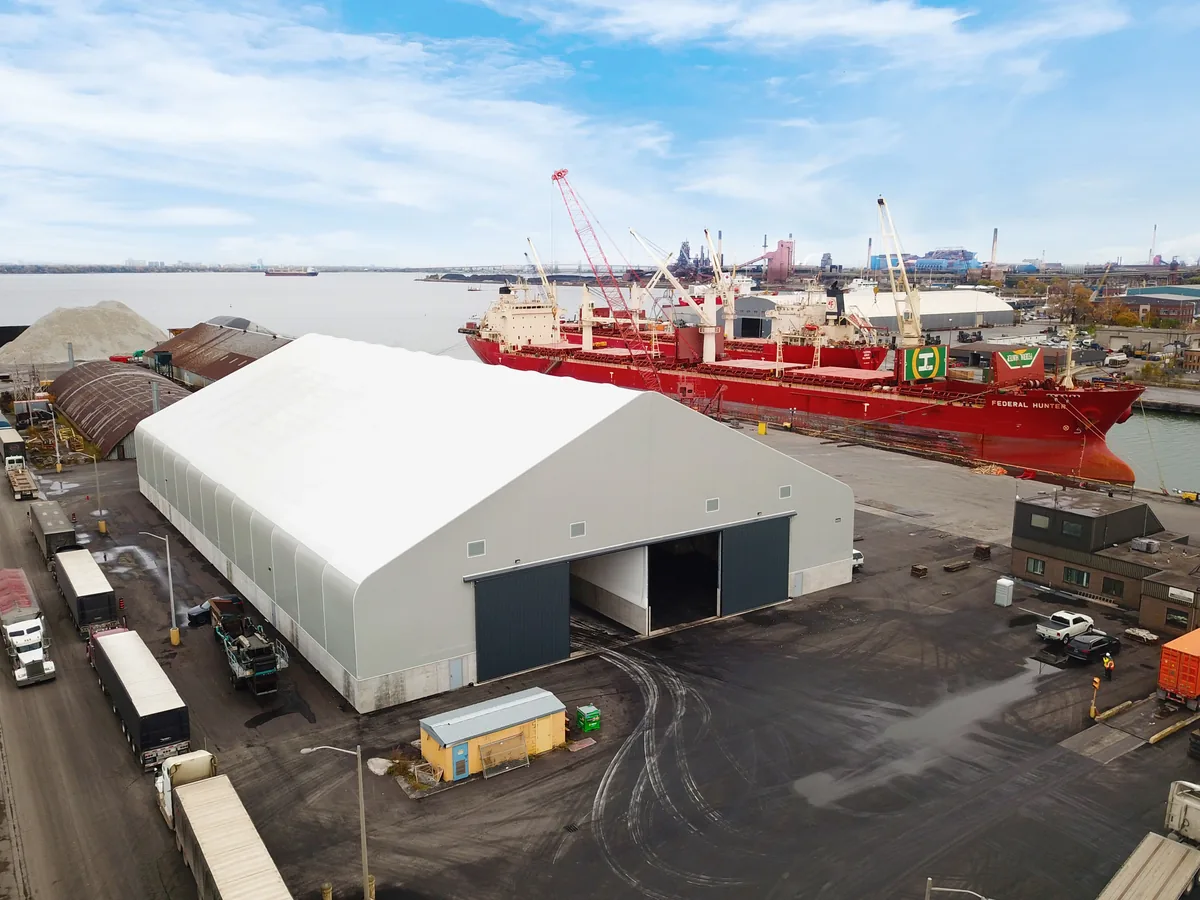
In contrast, a fabric distribution centre gives operators a fast, practical alternative. These structures can serve as permanent warehouses or seasonal overflow space. Specifically, Britespan’s pre-engineered designs provide predictable installation timelines. They also create a controlled environment that supports a wide range of logistics functions.
Speed to Site: How a Fabric Distribution Centre Can Be Operational, Fast
Speed is the greatest advantage of a fabric warehouse for distribution. In fact, after you secure permits, installation moves much faster than conventional building methods. First, prefabricated steel trusses arrive ready for assembly. Next, crews install the tensioned membrane cleanly. This process avoids the long curing steps required for concrete.
As a result, distribution teams move from planning to operations in a fraction of the time. Companies use this speed to handle sudden spikes in consumer demand. Furthermore, if your needs change, you can relocate a temporary fabric warehouse for distribution later. This gives operators flexibility without committing to long-term infrastructure.

How Fabric Structures for Distribution Centres Improve Traffic Flow
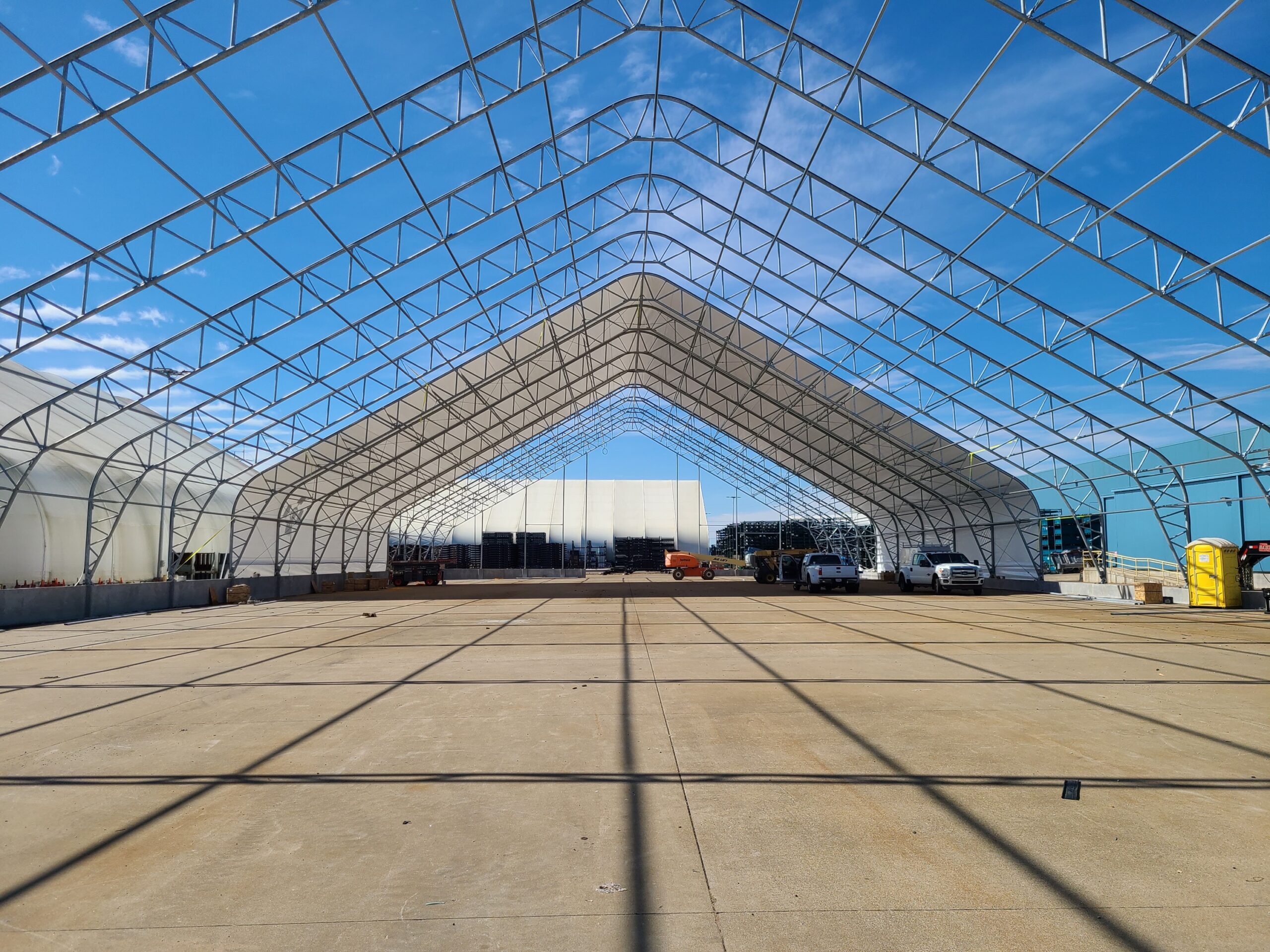
One major benefit of a clear span fabric distribution centre is the completely open interior. Because there are no internal posts, forklifts travel in straight lines. This layout ensures that picker teams avoid bottlenecks. Consequently, equipment flows smoothly between aisles and staging zones.
Additionally, clear span designs also increase flexibility for racking and conveyors. High peak heights allow storage stacks to rise without the risk of collisions. This efficiency is vital for operators who manage frequent inbound and outbound cycles. To see which profile fits your layout, you can explore the Apex Building Series or the Genesis Building Series.
Choosing the Right Fabric Building Profile: Apex vs. Genesis Series
Selecting the right building profile is essential for optimizing your internal logistics. Specifically, the Apex Building Series features a high-pitched roof and a traditional building aesthetic. This profile is ideal for operations that require maximum center height for tall sorting equipment or automated conveyors. Furthermore, its steep pitch ensures efficient snow shedding in harsh winter climates.
In contrast, the Genesis Building Series is engineered for massive scale and high-volume throughput. Because it offers spans up to 200 feet wide, the Genesis provides an expansive, unobstructed floor plan for large-scale cross-docking. Consequently, this series allows for multiple lanes of forklift traffic and extensive racking layouts without the interference of interior pillars.
Natural Light and Ventilation Reduce Operating Costs
A fabric warehouse for distribution uses a specialized membrane to diffuse natural light. These bright interiors improve visibility and reduce the need for artificial lighting. Over time, this significantly lowers operational costs for large facilities.
Additionally, ventilation is a key benefit. Specifically, fabric structures naturally moderate heat. When you add fans or HVAC systems, they maintain a comfortable environment for workers. Therefore, operators can improve comfort while reducing utility bills.
How Door and Access Options Fit High-Cycle Fabric Distribution Centres
Distribution centres require reliable access for heavy equipment. Fortunately, Britespan buildings support many door configurations. You can choose high-cycle fabric doors, overhead steel doors, or large sliding openings.
These options help you set up efficient staging zones and shipping lanes. Specifically, you can place doors on end walls or side walls to match your traffic flow. This reduces unnecessary travel time inside the building.
Built for Winter: How Engineered Frames Handle Harsh Yards
Logistics yards in cold climates must deal with snow and ice. To address this, Britespan engineers buildings for your specific local weather conditions. The hot-dip galvanized steel trusses protect the frame from corrosion. They also resist damage from road salt, brine, and moisture.
Because of this rigorous engineering, the building performs reliably in winter. It provides a dependable environment that keeps your teams productive all year long.
Permanent or Temporary: Solutions for Every Stage of Growth
Not every project requires the same long-term commitment. For instance, some companies only need seasonal space. Others require robust warehousing that grows with them.
Britespan supports both needs. On one hand, you can install a fully engineered permanent fabric warehouse for year-round use. On the other hand, you can choose a fabric distribution centre that is easy to expand or move. This flexibility helps you manage risk and avoid the long wait times of traditional construction.
Fabric Structures for Distribution Centres Support Cleaner Operations & Lower Maintenance Requirements
Fabric structures are easy to maintain. The tensioned membrane reduces dust buildup, and the bright interior makes inspections simple. Furthermore, the galvanized steel frame resists rust even in high-moisture areas.
Regular tension checks and basic cleaning will keep the structure performing for decades. If the cover eventually wears out, Britespan offers re-cover options. This allows you to preserve your original investment in the steel frame.
Supporting Every Stage of the Distribution Process
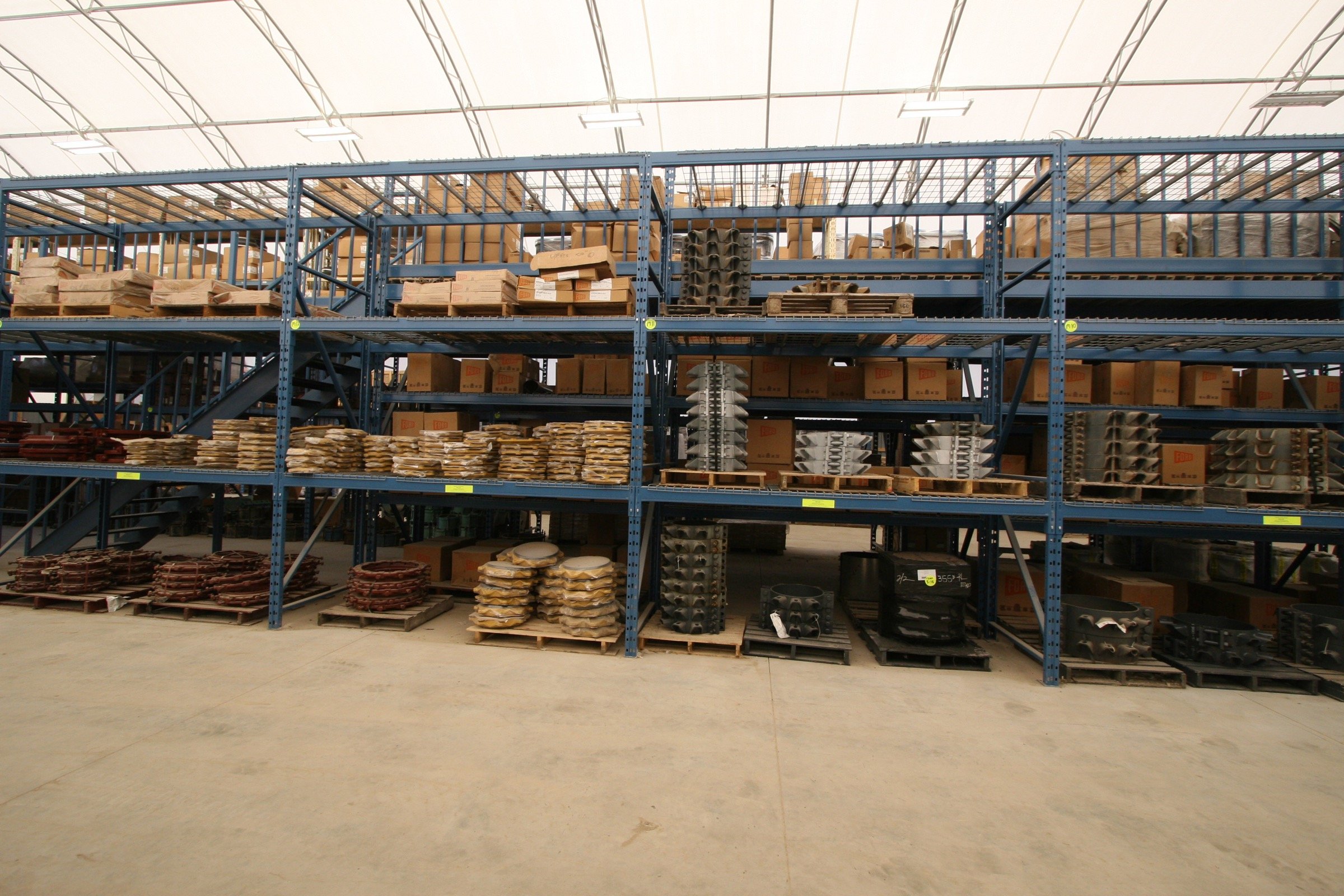
Modern distribution centres operate across receiving, storage, sorting, picking, and outbound cycles. A fabric warehouse for distribution offers a flexible footprint that adapts to each stage. Operators can adjust racking layouts, create bulk storage areas, or reconfigure temporary spaces based on evolving needs.
Clear span interiors support tall equipment and minimize obstructions, which improves forklift travel paths and reduces turn times. When combined with natural light, ventilation, and reliable access points, fabric buildings deliver the performance that busy distribution teams depend on every day.

Quick Answers for Distribution Operators
How fast can a fabric distribution centre go from permit to operations?
Fabric structures can be installed much faster than traditional construction. Once engineered and permitted, construction can move quickly because the steel trusses are pre fabricated and the membrane enclosure goes up efficiently.
Does a clear span fabric distribution centre improve forklift travel?
Yes. The absence of interior posts creates straight travel lines and wider turning space, which improves productivity and reduces congestion.
What operating costs drop in a fabric warehouse?
Natural light reduces daytime lighting demand. Ventilation is easier to maintain. The galvanized steel frame requires minimal upkeep, lowering long term maintenance costs.
How do temporary fabric warehouses reduce risk during seasonal peaks?
Temporary structures provide rapid capacity during high demand periods. They are relocatable and expandable, which helps operators respond to demand without overbuilding.
Which door options suit high cycle distribution centres?
Fabric and steel doors support frequent cycles. Door locations can be optimized to match forklift and vehicle movement patterns.
How do galvanized steel trusses hold up in winter DC yards?
The hot dip galvanized coating protects the steel frame from moisture, salt, and brine, helping maintain alignment and performance through winter.
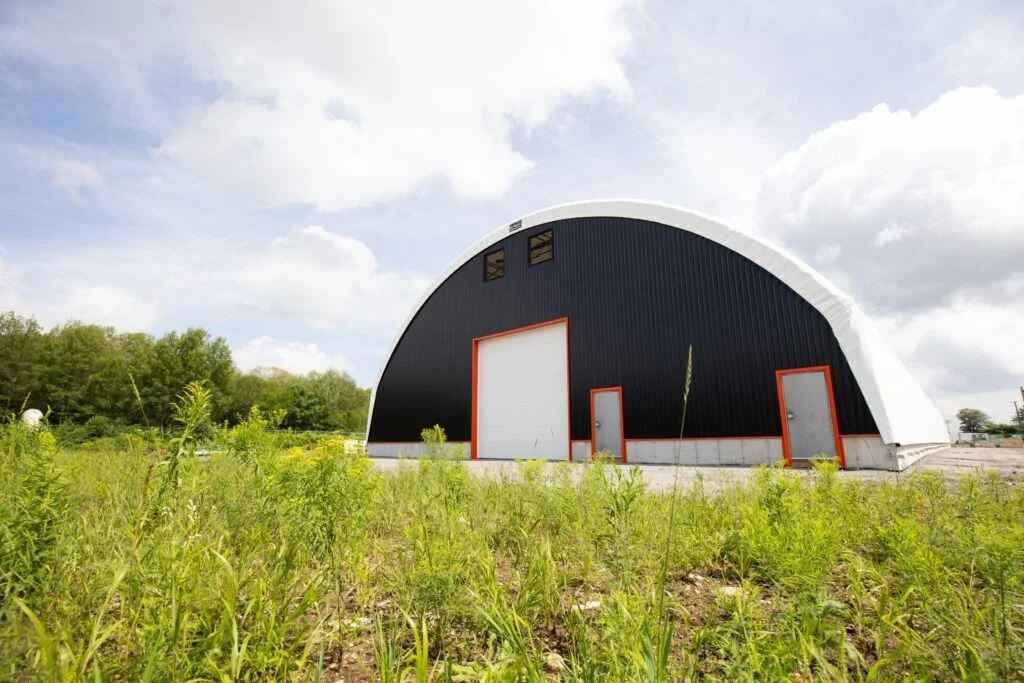
Fabric structures for distribution centres deliver the flexibility, speed, and operational efficiency that modern logistics networks need. For many logistics operators, fabric structures for distribution centres provide a scalable solution that adapts to seasonal demand, equipment traffic, and long-term network growth. Clear span interiors improve flow, natural light supports visibility, and hot dip galvanized steel frames offer strong long term durability.
Whether you need a fabric distribution centre, a fabric warehouse for distribution, or a permanent fabric warehouse designed to support long term operations, Britespan has engineered solutions that help distribution teams stay productive.
Finally, to explore the right structure for your network, connect with Britespan. Your next distribution centre can be faster to build, more adaptable, and easier to operate with a fabric structure built for today’s logistics challenges.
Written by Lindsay Kenny | Technical Review by George Lawless
Updated: August 10, 2026